Conditions We treat
Annular Tear
Understanding your disc injury and exploring motion-preserving treatment options
Living With
An Annular Tear
Back or neck pain that doesn’t seem to resolve can be frustrating, especially when you don’t have clear answers. An annular tear may be the source of your discomfort, even if imaging looks “normal” at first glance.
At Spine Motion Specialists, we focus on identifying the true cause of your pain and offering motion-preserving solutions that protect your mobility and long-term function.

What Is It?
An annular tear is a small rip in the outer layer of a spinal disc (the annulus fibrosus). This outer layer helps keep the disc’s soft center contained and provides stability during movement.
When a tear develops, it can cause inflammation and pain. In some cases, disc material may later push through the tear, increasing the risk of a herniated disc.
What Causes an Annular Tear?
Common causes include:
- Age-related disc degeneration
- Repetitive bending or twisting
- Heavy lifting
- Sudden trauma or falls
- Car accidents
- Poor body mechanics
As discs lose hydration and flexibility over time, they become more vulnerable to small injuries.

Common Symptoms
Patients with an annular tear may experience:
- Localized neck or back pain
- Pain that worsens with movement or sitting
- Stiffness
- Occasional radiating pain if nearby nerves are irritated
Symptoms can vary widely depending on tear location and severity.
How an Annular Tear Is Diagnosed
Diagnosis typically includes:
- Detailed medical history
- Physical examination
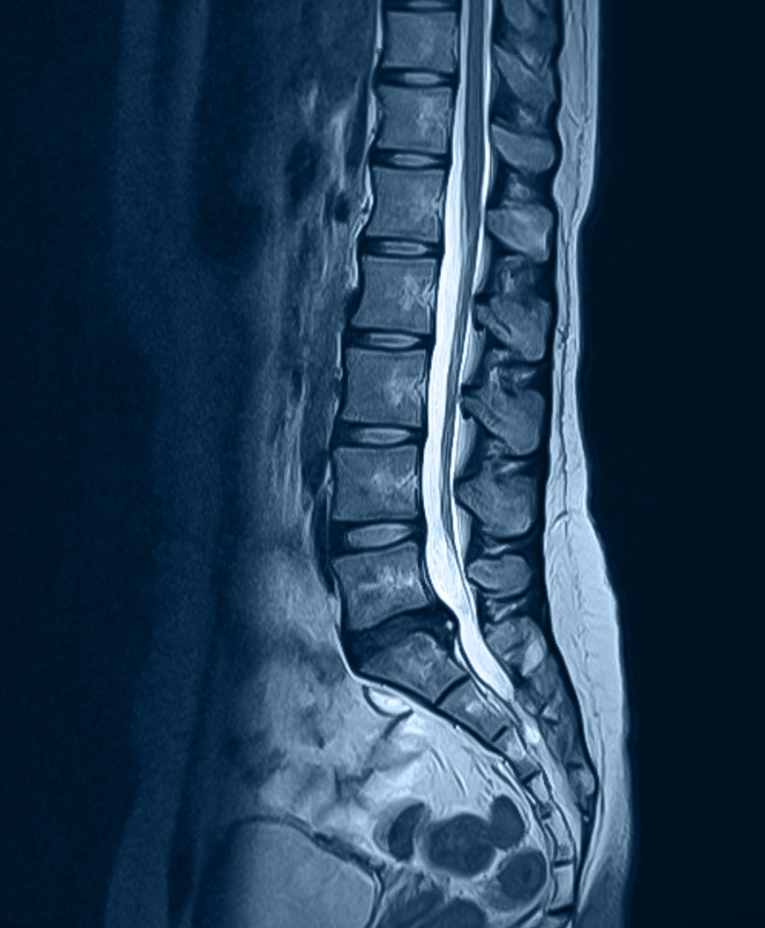
- MRI imaging to detect disc changes
- Provocative discography (in select cases)
Because tears can be small, they don’t always appear clearly on imaging, making clinical evaluation especially important.
When to Seek Care
You should consider evaluation if:
- Pain persists beyond a few weeks
- Symptoms worsen
- Pain limits daily activities
- You develop numbness or weakness
Why Spine Motion Specialists?
Your care plan is built around your goals, your movement, and your lifestyle, never a protocol.
Dr. Scott Hodges brings 35+ years of experience and a deep understanding of spine biomechanics to every patient visit.
Fusion-free philosophy
Motion-preserving expertise
Concierge, one-on-one care
Extended 60–90 minute consults
Virtual visits available for travel patients
Annular Tear
Frequently Asked Questions
Can an annular tear heal on its own?
Yes. Many small tears heal with time and conservative care. Proper movement, therapy, and inflammation control can support healing.
Is an annular tear the same as a herniated disc?
No. A tear affects the disc’s outer layer. A herniation occurs when disc material pushes through that tear.
Will I need surgery?
Not usually. Most patients improve with non-surgical treatment. Surgery is considered only if symptoms persist or worsen.
Can I stay active?
Yes. Gentle movement helps promote healing. Dr. Hodges will guide you on safe activity levels.
What if I’ve been told fusion is my only option?
Many patients seek us out for a second opinion. In some cases, motion-preserving alternatives may be available.
Start Your Path to Relief
Not sure if an annular tear is causing your pain?
A consultation can help you get clarity and explore motion-preserving options.