Medically Reviewed & Written By — Spine Motion Specialists
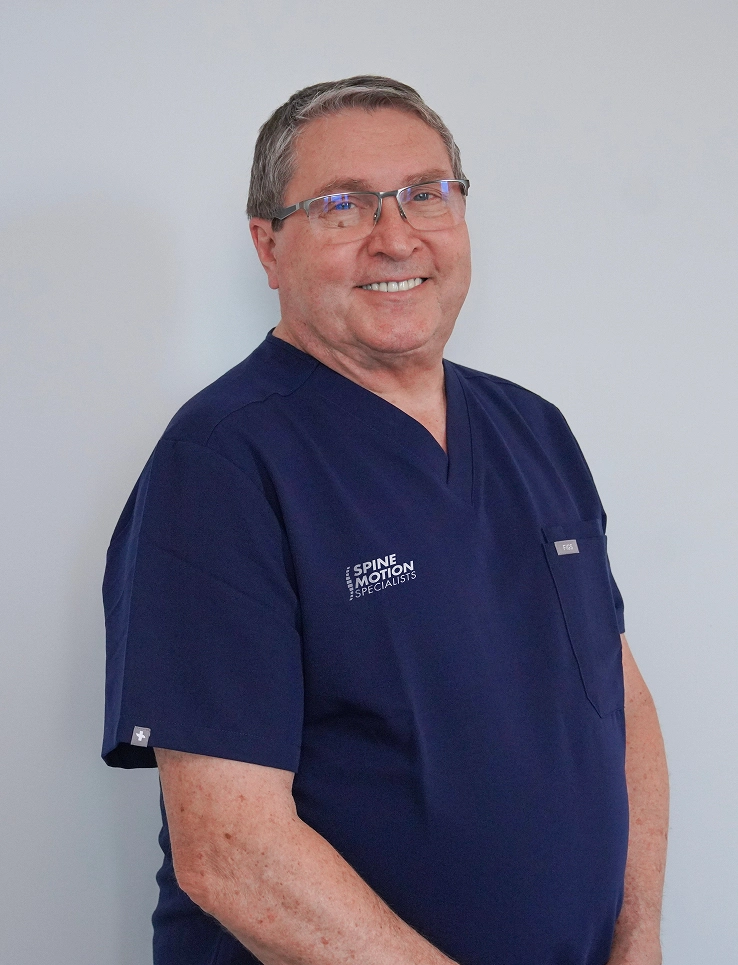
Scott Hodges, DO
Board-Certified Spine Surgeon · Spine Motion Specialists · Chattanooga, TN
Conditions We treat
Degenerative Disc Disease (DDD)
Understanding your condition and exploring motion-preserving treatment options
Living With
Degenerative Disc Disease
Chronic back or neck pain can quietly take over your life, making it harder to sit, sleep, exercise, or enjoy daily activities. If you’ve been diagnosed with degenerative disc disease, you may feel frustrated or worried about what comes next.
At Spine Motion Specialists, we take a different approach. Our focus is on understanding why you’re hurting and helping you find solutions for lasting relief, including degenerative disc disease treatment, while protecting your mobility and long-term function.

What Is It?
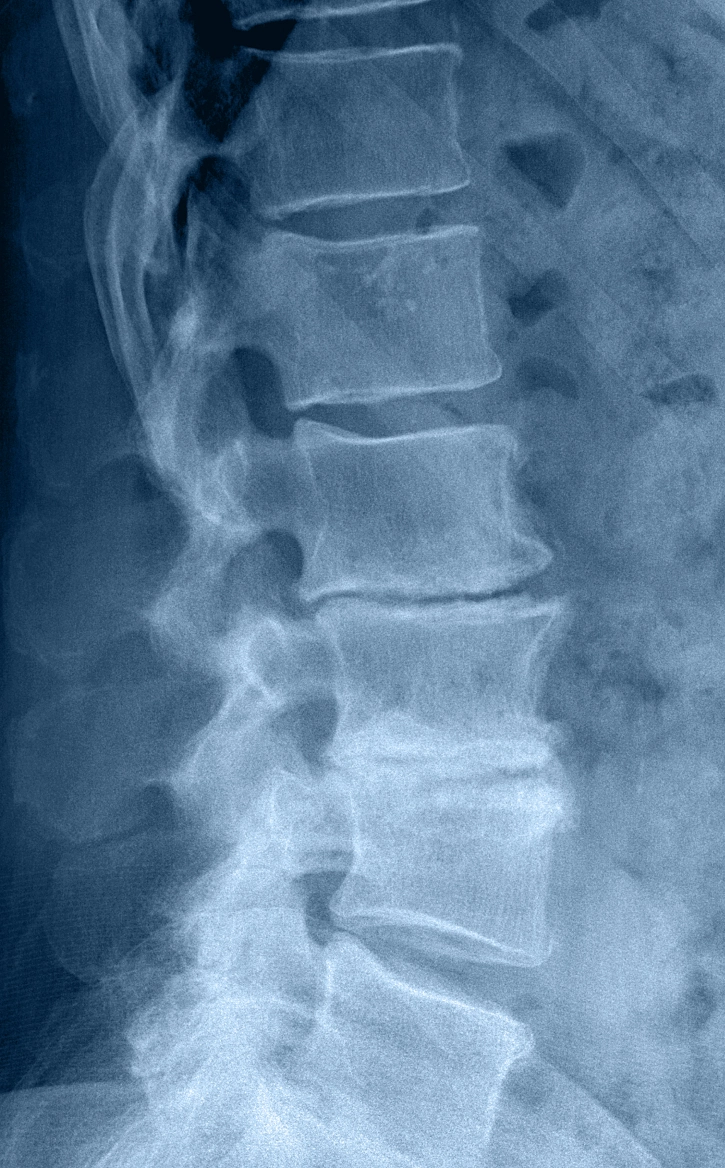
Degenerative Disc Disease (DDD) occurs when the spinal discs, the soft cushioned pads between your vertebrae, begin to wear down over time. As these discs lose water content and elasticity, they become less effective at absorbing impact and allowing smooth movement.
Despite the name, DDD is not actually a disease. It’s a natural part of aging, but for some people, it can lead to significant pain, stiffness, and reduced quality of life. In those cases, degenerative disc disease treatment may help improve comfort and function.
What Causes it?
The most common cause of DDD is age-related disc degeneration. Over time, discs naturally dry out and lose flexibility.
Other contributing factors include
- Repetitive strain
- Poor posture
- Smoking
- Genetics
- Prior spine injuries
These factors can accelerate degeneration, allowing vertebrae to move abnormally and potentially compress nearby nerves.

Common Symptoms
Patients may experience
- Chronic neck or low back pain
- Pain that radiates into the arms, buttocks, or legs
- Stiffness
- Pain that worsens with sitting, bending, or twisting
- Relief with walking or lying down
Diagnosis
Diagnosis typically includes
- A detailed medical history
- Physical examination
- Imaging studies (X-ray or MRI) to assess disc height and integrity
When to Seek Care
You should consider Degenerative Disc Disease Treatment evaluation if
- Pain lasts longer than a few weeks
- Pain limits daily activities
- You have numbness, tingling, or weakness
- Symptoms are progressively worsening
Why Spine Motion Specialists?
Your care plan is built around your goals, your movement, and your lifestyle, never a protocol.
Dr. Scott Hodges brings 35+ years of experience and a deep understanding of spine biomechanics to every patient visit.
Fusion-free philosophy
Motion-preserving expertise
Concierge, one-on-one care
Extended 60–90 minute consults
Virtual visits available for travel patients
Degenerative Disc Disease (DDD)
Frequently Asked Questions
Can degenerative disc disease heal on its own?
DDD is a natural aging process, so discs don’t “regenerate,” but symptoms often improve with the right treatment. Many patients find significant relief through physical therapy, activity modification, and targeted injections.
Will I need Degenerative Disc Disease Treatment surgery?
Not necessarily. Most patients improve with non-surgical care. Surgery is only considered if pain persists or nerve function is affected. Our approach is always conservative first.
Can I stay active with DDD?
Yes and in most cases, staying active is encouraged. Movement helps maintain strength and flexibility. Dr. Hodges will guide you on safe activities that support healing.
How long does recovery take?
Recovery varies by individual and treatment type. Non-surgical improvement may take weeks to months. Surgical recovery depends on the procedure, but motion-preserving approaches typically allow faster return to activity than fusion.
What if I’ve been told fusion is my only option?
Many patients come to us after hearing this. In some cases, motion-preserving alternatives may be appropriate. A consultation can help explore all options based on your anatomy and goals.
How long does a bulging disc take to heal?
For many patients, symptoms from a bulging disc improve within 4 to 8 weeks with conservative care such as physical therapy, activity modification, and anti-inflammatory treatment. If a nerve is irritated, recovery can take several months. Healing does not always mean the disc returns to normal shape, but rather that inflammation decreases and symptoms improve.
You should seek evaluation if pain persists, worsens, or is accompanied by numbness, tingling, or weakness.
At Spine Motion Specialists, Dr. Hodges looks beyond the disc itself to understand how your spine is functioning overall. Treatment is focused on relieving symptoms while protecting long-term mobility and function.
How Fast Does Degenerative Disc Disease Progress?
Degenerative disc disease typically progresses slowly over time, often over years or even decades. For many people, changes in the discs are a natural part of aging and may never cause significant symptoms. Others may experience periods of increased pain or stiffness followed by times of improvement.
The rate of progression varies based on factors such as genetics, activity level, spinal alignment, prior injury, and overall spine health. In some cases, degeneration can place added stress on nearby joints or nerves, leading to worsening symptoms if left untreated.
If pain is persistent, worsening, or beginning to affect daily activities, an evaluation can help determine what is driving your symptoms and what options may help maintain comfort, mobility, and long-term spine function.
Does degenerative disc disease get worse over time?
Degenerative disc disease can progress over time, but it does not always worsen in a steady or predictable way. Many people experience periods where symptoms flare and then improve, and some may have disc degeneration visible on imaging without significant pain at all.
For others, ongoing disc wear can gradually lead to increased stiffness, inflammation, or nerve irritation if the surrounding joints and structures begin to take on additional stress. Factors such as activity level, spinal alignment, prior injury, and overall health can influence how symptoms change over time.
The key is monitoring how the condition is affecting your daily life and mobility. With the right treatment approach and attention to spinal function, many patients are able to manage symptoms and maintain an active lifestyle.
Is degenerative disc disease hereditary?
Genetics can play a role in degenerative disc disease. Some people are more likely to develop disc degeneration due to inherited factors that affect disc structure, strength, and the way the spine ages over time. If close family members have experienced chronic back or neck problems, you may have a higher risk of developing similar issues.
However, genetics are only one part of the picture. Activity level, posture, prior injuries, overall health, and spinal alignment also influence how quickly discs wear and whether symptoms develop.
Even if degeneration runs in your family, many people are able to manage symptoms effectively and maintain an active lifestyle with the right evaluation and treatment approach.
What is the life expectancy with Degenerative Disc Disease?
Degenerative disc disease does not affect life expectancy. It is a common age-related condition that affects the discs of the spine, not overall lifespan.
While the condition can cause discomfort, stiffness, or nerve-related symptoms, it is not life-threatening. Most people with degenerative disc disease are able to live full, active lives, especially with appropriate treatment and attention to spinal health.
The focus of care is on managing symptoms, maintaining mobility, and protecting long-term function. With the right approach, many patients are able to stay active and continue doing the things they enjoy.
What is the success rate of surgery for degenerative disc disease?
Success rates for surgery to treat degenerative disc disease vary depending on the procedure performed and the individual patient, but outcomes are generally very strong when the right treatment is selected.
Motion-preserving procedures such as artificial disc replacement have shown success rates ranging from 87% to 95% for pain relief and improved function, frequently matching or outperforming spinal fusion in long-term outcomes. Cervical (neck) disc replacement often demonstrates success rates above 90 to 92%, while lumbar (lower back) disc replacement typically reports 75% to 93% patient satisfaction.
At Spine Motion Specialists, the focus is on carefully selecting the most appropriate treatment for each patient based on their anatomy, symptoms, and long-term mobility goals. This personalized approach helps support the best possible outcomes while preserving natural movement whenever possible.
Start Your Path to Relief
Not sure if DDD is the cause of your pain?
A consultation can help you get clarity and explore motion-preserving options.