
Medically Reviewed & Written By — Spine Motion Specialists

Scott Hodges, DO
Board-Certified Spine Surgeon · Spine Motion Specialists · Chattanooga, TN
Conditions We treat
Kyphosis
Understanding your posture and exploring motion-preserving kyphosis treatment options
Living With
Kyphosis
If you’ve noticed increasing rounding of your upper back, neck tension, or chronic discomfort, kyphosis may be the cause. Many patients describe feeling stiff, fatigued, or self-conscious about their posture. Over time, it can affect balance, breathing, and overall quality of life.
At Spine Motion Specialists, we focus on identifying the source of your curvature and providing treatment options that preserve motion, relieve pain, improve alignment, and protect long-term mobility.

What Is It?
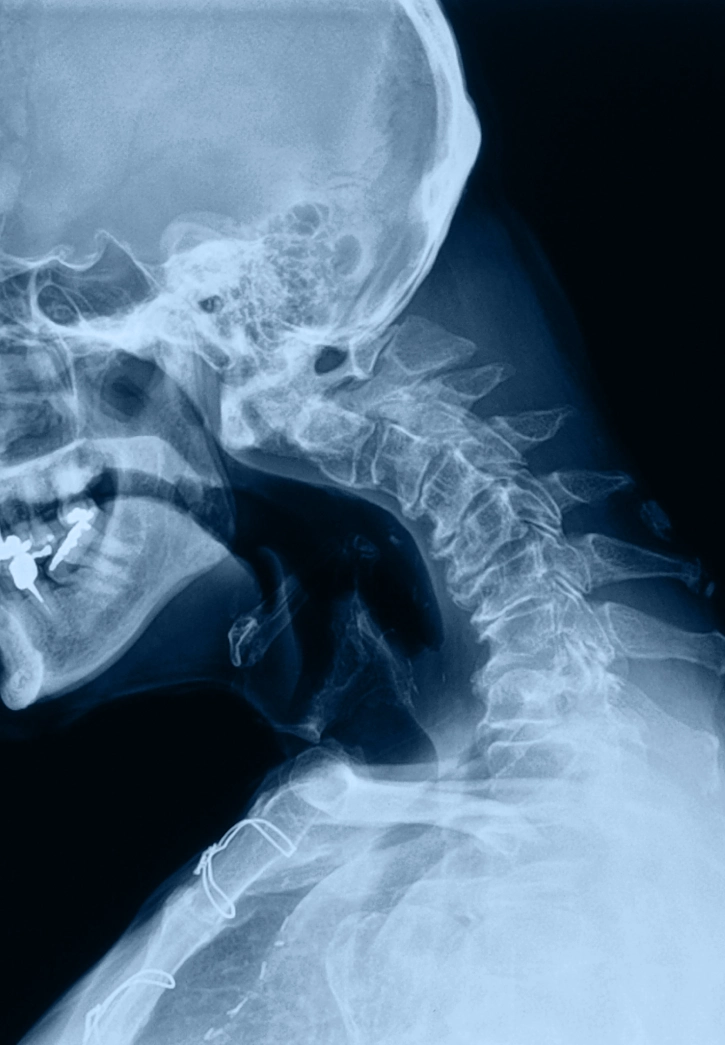
Kyphosis is an excessive forward curvature of the upper spine (thoracic spine). While a mild curve is normal, more pronounced curvature can create a rounded or “hunched” appearance and contribute to discomfort or functional limitations.
It can occur at any age and may progress over time if not addressed.
What Causes Kyphosis?
Common causes include:
- Age-related disc degeneration
- Compression fractures (often related to osteoporosis)
- Scheuermann’s disease (adolescent kyphosis)
- Congenital spinal abnormalities
- Muscle weakness or poor posture
- Trauma or injury
Each cause affects the spine differently, which is why individualized evaluation is important.

Common Symptoms
Patients may experience:
- Rounded upper back
- Neck and shoulder pain
- Upper back stiffness
- Muscle fatigue
- Limited spinal mobility
- In severe cases, breathing difficulties
How It Is Diagnosed
Diagnosis typically includes:
- Detailed medical history
- Physical exam and posture assessment
- X-rays to measure spinal curvature
- MRI or CT scans (if nerve involvement is suspected)
This allows Dr. Hodges to determine the type and severity of the condition.
When to Seek Treatment
You should consider evaluation if:
- Curvature is worsening
- Pain interferes with daily life
- You feel increasing stiffness or fatigue
- Balance or breathing is affected
Why Spine Motion Specialists?
Your care plan is built around your goals, your movement, and your lifestyle, never a protocol.
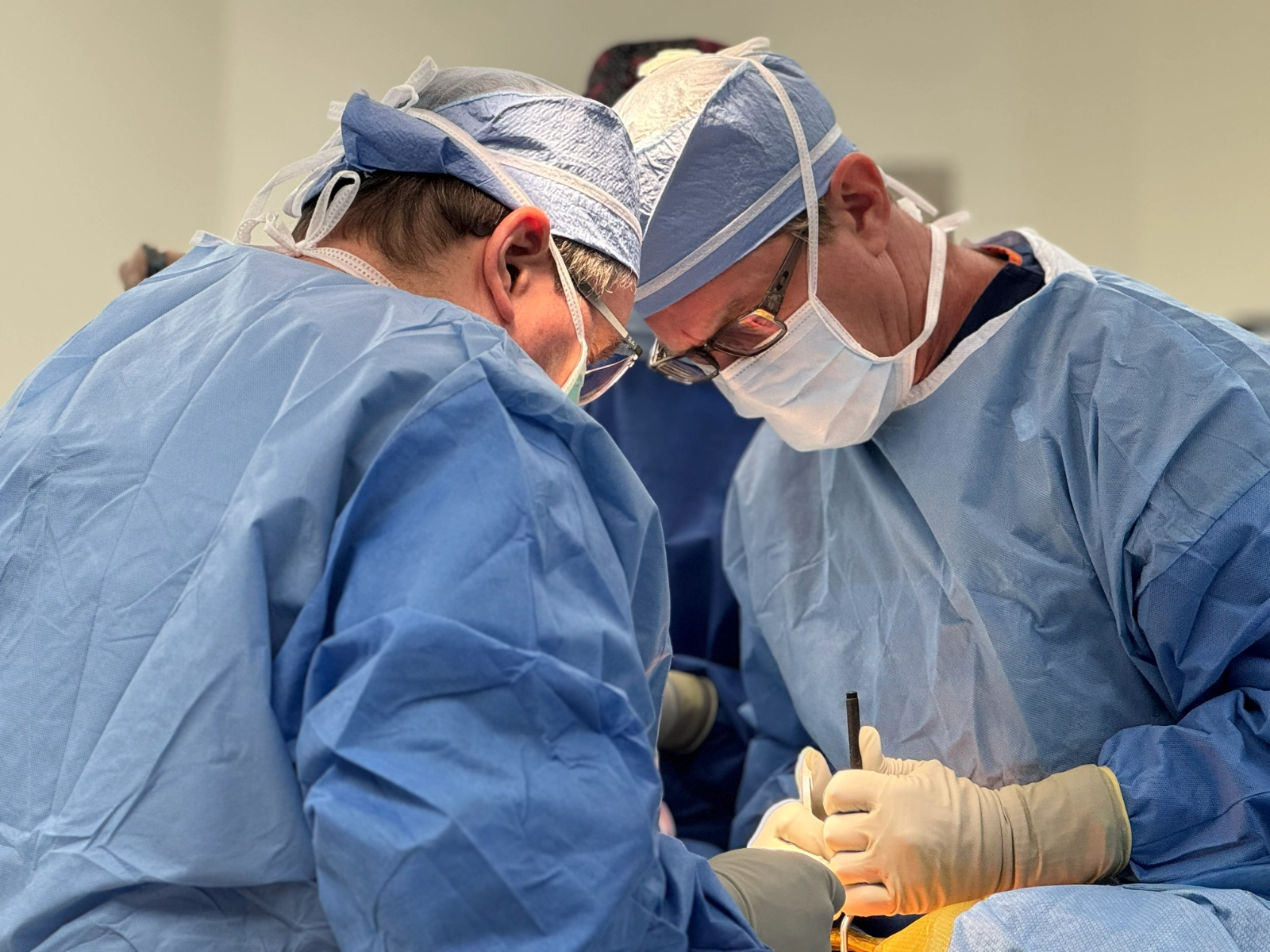
Dr. Scott Hodges brings 35+ years of experience and a deep understanding of spine biomechanics to every patient visit.
Fusion-free philosophy
Motion-preserving expertise
Concierge, one-on-one care
Extended 60–90 minute consults
Virtual visits available for travel patients
Kyphosis
Frequently Asked Questions
Can kyphosis be reversed?
In mild to moderate cases, posture-focused therapy and strengthening as kyphosis treatment can improve alignment and symptoms. Structural curves may not fully reverse but can often be managed.
Is hunchback dangerous?
Mild kyphosis usually isn’t dangerous. Severe cases can affect breathing or balance and should be evaluated.
Can I stay active?
Yes. Staying active helps maintain muscle strength and mobility. Dr. Hodges will guide you on safe activities.
Will I need surgery?
Not always. Many patients improve with non-surgical care. Surgery is considered only for severe curvature or neurological symptoms.
What if I’ve been told fusion is my only option?
Some patients are told this. In select cases, motion-preserving approaches may still be possible. A consultation can help explore options.
Can poor posture cause rounded upper back?
Poor posture can contribute, especially in teens and adults who spend long periods sitting, looking down, or slouching. In many cases, posture-related kyphosis can improve with targeted exercises, better spinal support, and treatment that addresses movement and alignment.
What are the symptoms of hunchback?
The symptoms can vary depending on the cause and severity, but common signs include a rounded upper back, stiffness, muscle fatigue, back pain, and changes in posture. In more advanced cases, some people may also notice reduced mobility or discomfort with prolonged standing or sitting.
Start Your Path to Better Posture
Not sure if kyphosis is causing your symptoms?
A consultation can help you get clarity and explore motion-preserving options.