Medically Reviewed & Written By — Spine Motion Specialists
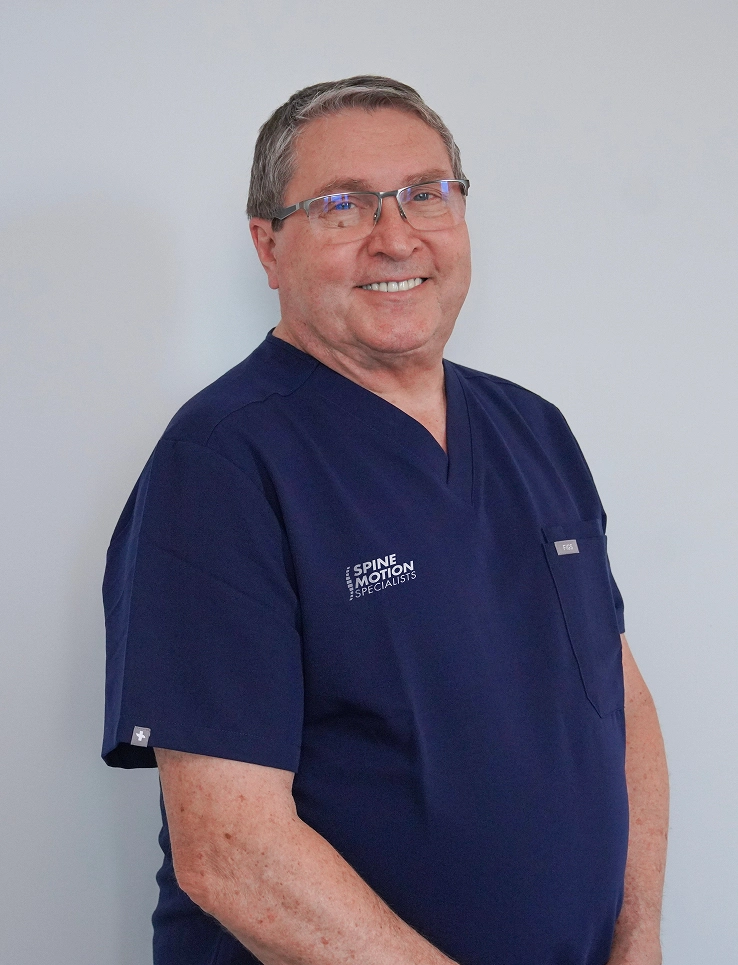
Scott Hodges, DO
Board-Certified Spine Surgeon · Spine Motion Specialists · Chattanooga, TN
Conditions We treat
Herniated Disc
Understanding your symptoms and exploring motion-preserving herniated disc treatment options
Living With
A Herniated Disc
Pain from a herniated disc can be sudden, intense, and frustrating, especially when it radiates into your arm or leg and interferes with daily life. Sitting, driving, sleeping, or working may suddenly feel uncomfortable or even unbearable.
At Spine Motion Specialists, our focus is on understanding what’s causing your pain and finding motion-preserving solutions for lasting relief, including herniated disc treatment, without sacrificing your mobility or long-term function.

What Is It?
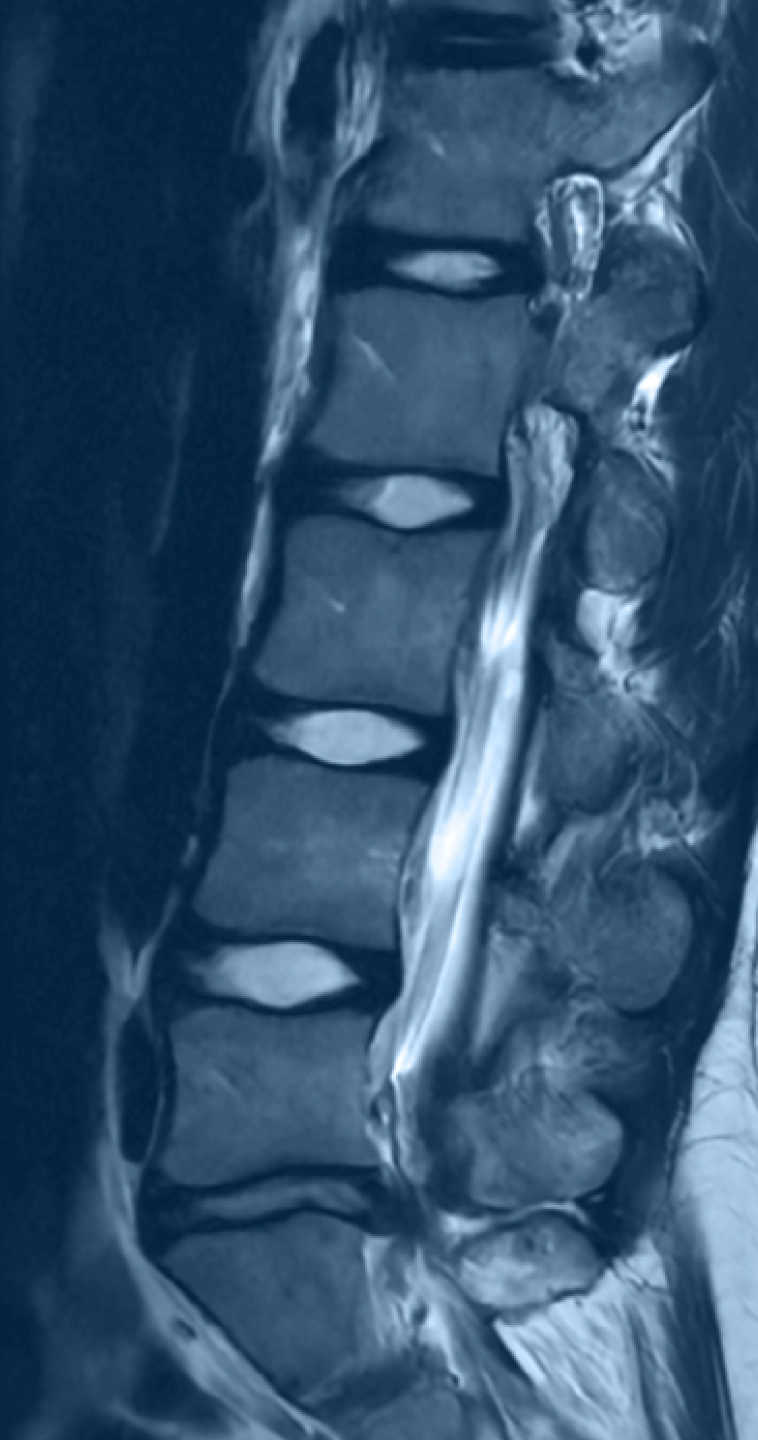
A herniated disc occurs when the soft, gel-like center of a spinal disc (the nucleus pulposus) pushes through a tear in the disc’s tough outer layer (the annulus fibrosus).
When this material presses on nearby spinal nerves, it can cause pain, numbness, tingling, or weakness along the path of the affected nerve. Herniated discs most commonly occur in the lower back (lumbar spine) and neck (cervical spine).
What Causes a Herniated Disc?
Most disc herniations develop gradually as part of normal disc degeneration. As discs lose flexibility with age, they become more vulnerable to injury.
Other contributing factors include:
- Lifting heavy objects improperly
- Sudden twisting or bending
- Traumatic injury
- Genetics
- Obesity
- Smoking
These factors can increase stress on the spine and raise the risk of disc rupture.

Common Symptoms
You may experience:
- Sharp or radiating arm or leg pain
- Numbness or tingling
- Muscle weakness
- Pain that worsens with sitting, coughing, or bending
Symptoms depend on the location of the herniation and which nerves are affected.
How Is It Diagnosed
Diagnosis typically includes:
- A detailed medical history
- Physical and neurological exam
- MRI or CT imaging to visualize the herniation and nerve involvement
This allows Dr. Hodges to pinpoint the exact source of compression and guide treatment.
When to Seek Herniated Disc Treatment
You should seek evaluation if:
- Pain lasts more than a few weeks
- Symptoms worsen over time
- You experience weakness, numbness, or tingling
- Pain limits work, sleep, or daily activity
Why Spine Motion Specialists?
Your care plan is built around your goals, your movement, and your lifestyle, never a protocol.
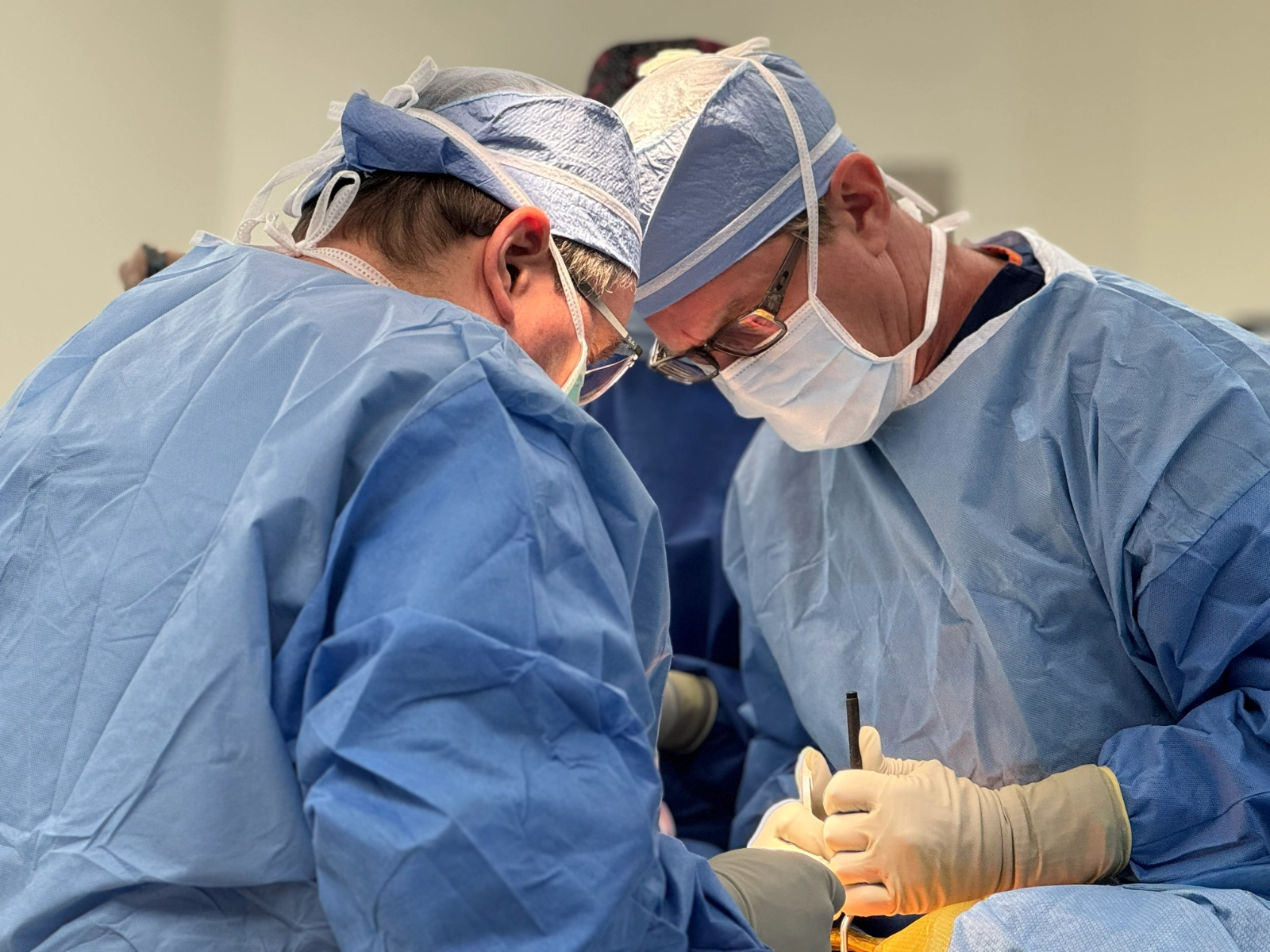
Dr. Scott Hodges brings 35+ years of experience and a deep understanding of spine biomechanics to every patient visit.
Fusion-free philosophy
Motion-preserving expertise
Concierge, one-on-one care
Extended 60–90 minute consults
Virtual visits available for travel patients
Herniated Disc
Frequently Asked Questions
Can a disc herniation heal on its own?
Yes. Many herniated discs improve over time with proper care. Physical therapy, activity modification, anti-inflammatory treatments, and herniated disc treatment options often allow symptoms to resolve naturally.
Will I need surgery for a herniated disc treatment?
Not necessarily. Surgery is only considered if pain persists, symptoms worsen, or nerve function is affected. Our approach is always conservative first.
How long does recovery take?
Recovery varies. Some patients improve in weeks, while others take longer depending on severity and treatment. Minimally invasive procedures typically allow faster recovery than traditional surgery.
Can I stay active with an ongoing herniated disc treatment?
Yes — staying active is often encouraged. Gentle movement helps maintain strength and flexibility during a herniated disc treatment. Dr. Hodges will guide you on safe activity levels.
What if I’ve been told fusion is my only option?
Many patients come to us after hearing this. In some cases, motion-preserving alternatives may be appropriate. A consultation can help explore your options.
What is the recovery time after a herniated disc treatment?
Recovery time depends on the severity of the condition and the type of treatment recommended.
For many patients, symptoms improve within several weeks to a few months with conservative care such as physical therapy, activity modification, and anti-inflammatory treatment. When surgery is necessary, recovery timelines vary based on the specific procedure performed.
At Spine Motion Specialists, we focus exclusively on motion-preserving treatment options, such as microdiscectomy or disc replacement when appropriate. These procedures are designed to relieve nerve compression while maintaining natural spinal movement, which often supports a more efficient recovery compared to fusion-based approaches.
Dr. Hodges will guide you through a personalized recovery plan based on your procedure, overall health, and activity goals. The objective is not just pain relief, but helping you return to normal activities while protecting long-term mobility and function.
Can a Herniated Lumbar Disc Heal?
Yes, in many cases a herniated lumbar disc can improve over time. The body often works to reduce inflammation and pressure on the affected nerve, allowing symptoms such as pain, numbness, or tingling to gradually lessen. Some herniated discs may even shrink slightly as part of the natural healing process.
Recovery varies depending on the size of the herniation, the degree of nerve compression, and your overall spine health. Many patients improve with conservative care such as physical therapy, activity modification, and targeted treatments over several weeks to months.
If symptoms persist, worsen, or significantly limit daily activities, further evaluation may be helpful. At Spine Motion Specialists, treatment is focused on relieving nerve compression and restoring function while preserving natural spinal movement whenever possible.
What are the signs that my herniated disc is healing?
As a herniated disc begins to heal, symptoms typically become less intense and less frequent over time.
- Common signs of improvement include:
- Decreased leg or arm pain
- Less sharp or burning nerve pain
- Reduced numbness or tingling
- Improved strength
- Greater tolerance for sitting, standing, or walking
- Better sleep and daily function
Often, radiating nerve pain improves first, while mild back discomfort may linger for a period as inflammation settles.
Healing is rarely linear. You may have good days and occasional flare-ups, but the overall trend should be gradual improvement. If symptoms are worsening, spreading, or accompanied by increasing weakness, it is important to seek evaluation.
At Spine Motion Specialists, Dr. Hodges focuses on monitoring both symptom improvement and spinal function to ensure recovery is progressing in a way that protects long-term mobility.
Start Your Path to Relief
Not sure if a herniated disc is causing your pain?
A consultation can help you get clarity and explore motion-preserving solutions.