Medically Reviewed & Written By — Spine Motion Specialists
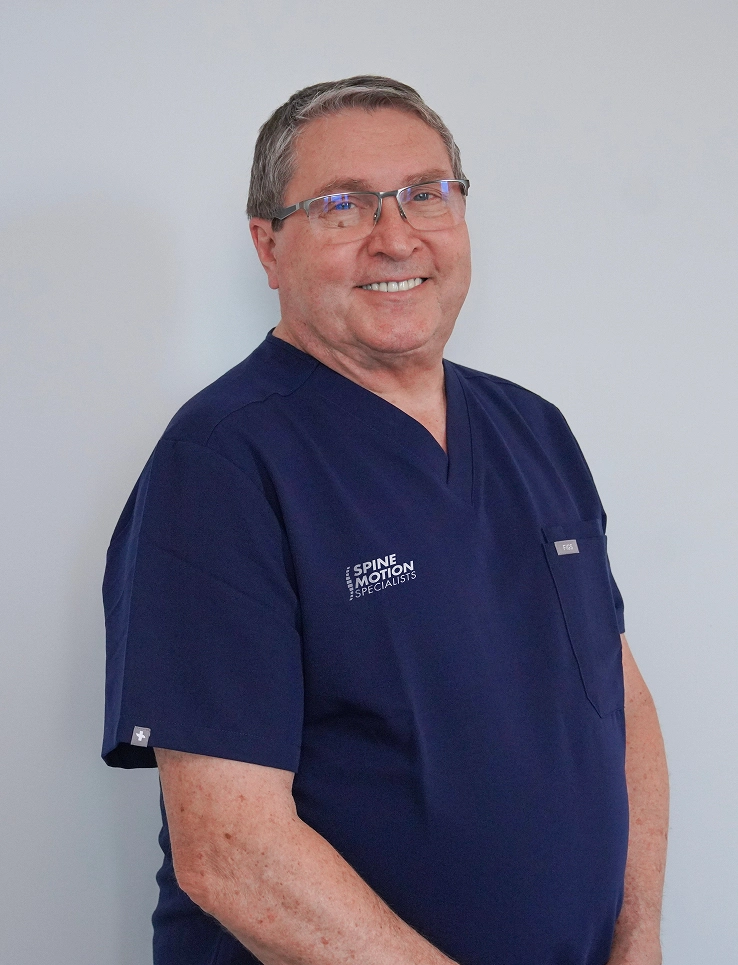
Scott Hodges, DO
Board-Certified Spine Surgeon · Spine Motion Specialists · Chattanooga, TN
Motion-Preserving Spine Treatments
Minimally Invasive Spine Surgery (MISS)
Advanced care with smaller incisions and faster recovery
Living With
Spine pain does not have to mean major surgery
When people hear the words spine surgery, they often picture large incisions, long hospital stays, and months of recovery. That fear alone can keep patients from seeking help.
At Spine Motion Specialists, we believe your spine is meant to move and heal efficiently. When surgery is necessary, minimally invasive spine surgery may be considered when appropriate, as it can reduce tissue disruption, support recovery, and help protect long-term mobility.

What is it?
Minimally invasive spine surgery (MISS) is a modern surgical approach that uses small incisions, specialized instruments, and advanced imaging technology to treat spinal conditions with minimal disruption to surrounding muscles and tissues. Unlike traditional open spine surgery, MISS targets the affected area through narrow surgical channels, with less blood loss and tissue disruption. The goal is to effectively relieve nerve compression or stabilize the spine while preserving as much of the spine’s natural structure and mobility as possible.
MISS can be used for a variety of procedures, including:
- Microdiscectomy
- Spinal decompression
- Disc replacement
The goal is to treat the source of pain while minimizing trauma to healthy tissue.

Who is a
Good Candidate
Candidates for minimally invasive spine surgery include patients with spinal conditions such as herniated discs, spinal stenosis, spondylolisthesis, or degenerative disc disease who have not found relief through conservative treatment.
Candidacy is determined based on spinal imaging, symptom severity, and functional limitations. Patients who value shorter recovery times, smaller incisions, and motion-preserving outcomes are often ideal candidates for minimally invasive procedures.
What Happens
During The Procedure
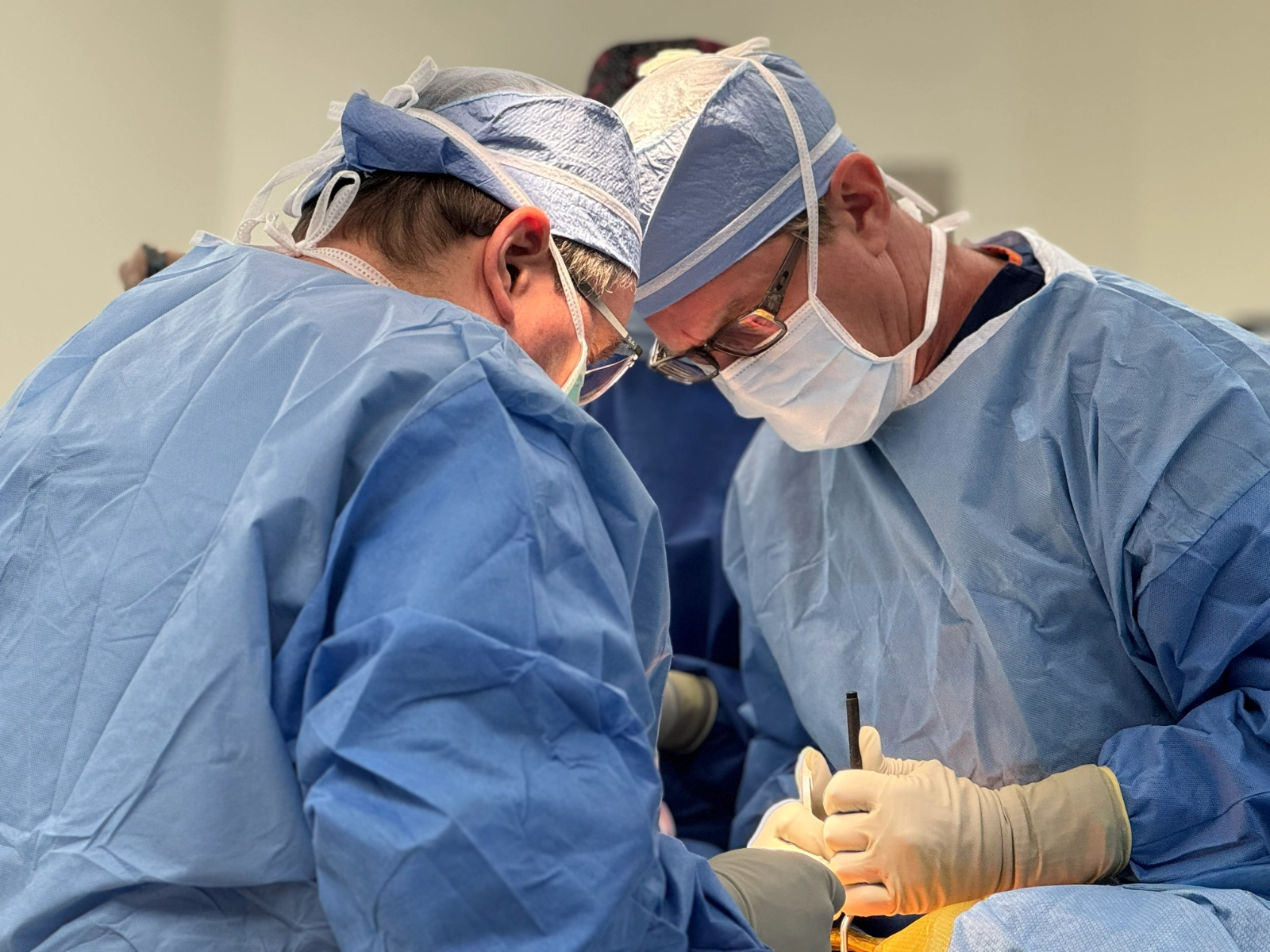
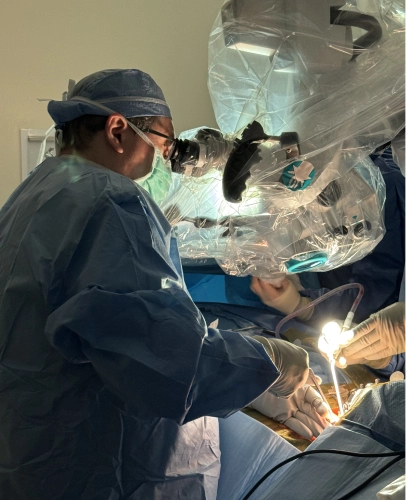
During a minimally invasive spine surgery, the surgeon uses real time fluoroscopic and microscopic visualization to precisely access the problem area through a small incision, typically less than an inch long.
During the procedure:
- A small incision is made to access the spine
- Real time imaging is used for precision
- Tubular retractors gently separate muscles rather than cutting through them
- A clear pathway to the spine is created
- The specific surgical technique is performed based on your condition
The specific surgical technique depends on the condition being treated and may include microdiscectomy, decompression, or motion preserving implant placement.
Once the procedure is complete, the incision is closed with minimal sutures or skin glue, allowing for minimal scarring and a smoother healing process.
What are the benefits
Smaller incisions
Less scarring and tissue disruption.
Reduced pain
Less trauma to muscles means less postoperative discomfort.
Faster recovery
Many patients return to normal activities sooner.
Lower risk of complications
Reduced blood loss and infection risk.
Preserves motion
Supports motion preserving treatment options.
For many patients, this means
Effective relief with less downtime.
What does recovery look like?
Recovery depends on the specific procedure performed.
Hospital stay
Many procedures are outpatient or require one night in the hospital.
Return to work
Desk work may be possible within one to two weeks.
Physical therapy
Therapy may be recommended to restore strength and mobility.
Dr. Hodges will create a personalized recovery plan based on your lifestyle and goals.
Why Spine Motion Specialists?
Your care plan is built around your goals, your movement, and your lifestyle, never a protocol.
Dr. Scott Hodges brings 35+ years of experience and a deep understanding of spine biomechanics to every patient visit.
Fusion-free philosophy
Motion-preserving expertise
Concierge, one-on-one care
Extended 60–90 minute consults
Virtual visits available for travel patients
Minimally Invasive Spine Surgery (MISS)
Frequently Asked Questions
Is minimally invasive spine surgery as effective as traditional open surgery?
For many spine conditions, yes. Minimally invasive spine surgery allows Dr. Hodges to treat the source of pain with the same precision as traditional open surgery, but through much smaller incisions.
The key difference is that minimally invasive techniques preserve muscles and soft tissues rather than cutting through them. This often leads to:
- Less postoperative pain
- Faster recovery
- Smaller scars
- Lower risk of complications
Dr. Hodges carefully evaluates each patient to determine whether a minimally invasive approach can safely achieve the same or better outcomes compared to open surgery.
Will I be awake during surgery?
No. Minimally invasive spine surgery is performed under general anesthesia, so you will be fully asleep and comfortable throughout the procedure.
An experienced anesthesia team monitors you closely to ensure safety, comfort, and stability during surgery.
How soon can I return to normal activities?
Recovery timelines vary depending on the procedure and your overall health. Many patients are able to:
- Walk the same day as surgery
- Resume light activities within a few days
- Return to desk work within one to two weeks
More physically demanding activities may require additional recovery time. Dr. Hodges will provide clear, personalized guidance on activity restrictions and progression.
Are there risks with minimally invasive spine surgery?
All surgery carries some risk, including infection, bleeding, or nerve injury. However, minimally invasive techniques often reduce these risks because:
- Smaller incisions limit tissue damage
- There is less blood loss
- Shorter surgery time in many cases
Dr. Hodges will review all potential risks and benefits with you so you can make an informed decision.
Take the next step
Not sure if minimally invasive spine surgery is right for you?
A consultation can help you understand your options and make a confident decision.