Medically Reviewed & Written By — Spine Motion Specialists
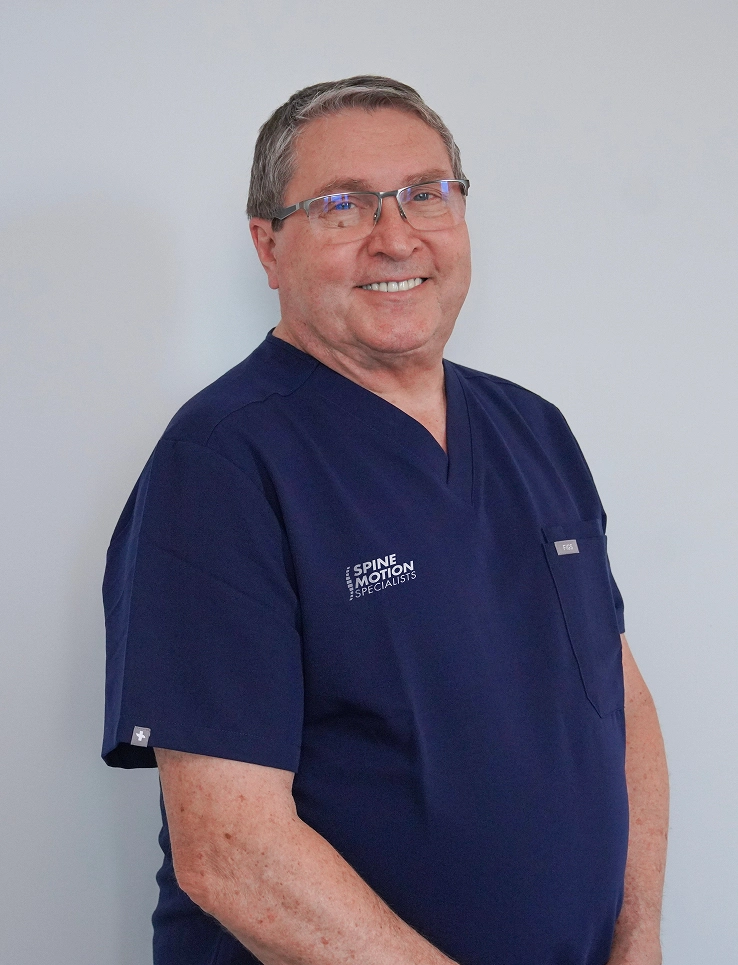
Scott Hodges, DO
Board-Certified Spine Surgeon · Spine Motion Specialists · Chattanooga, TN
Conditions We treat
Scoliosis
Understanding your spine alignment and exploring motion-preserving scoliosis treatment options
Living With
Scoliosis
Scoliosis can affect more than just posture; it can influence comfort, movement, and confidence. Some people are diagnosed early in life, while others develop it as adults due to spinal degeneration. You may notice uneven shoulders, hip imbalance, or persistent back pain that slowly worsens over time.
At Spine Motion Specialists, we focus on understanding how it is affecting you and building a personalized scoliosis treatment plan that protects mobility while relieving pain.
What Is It?
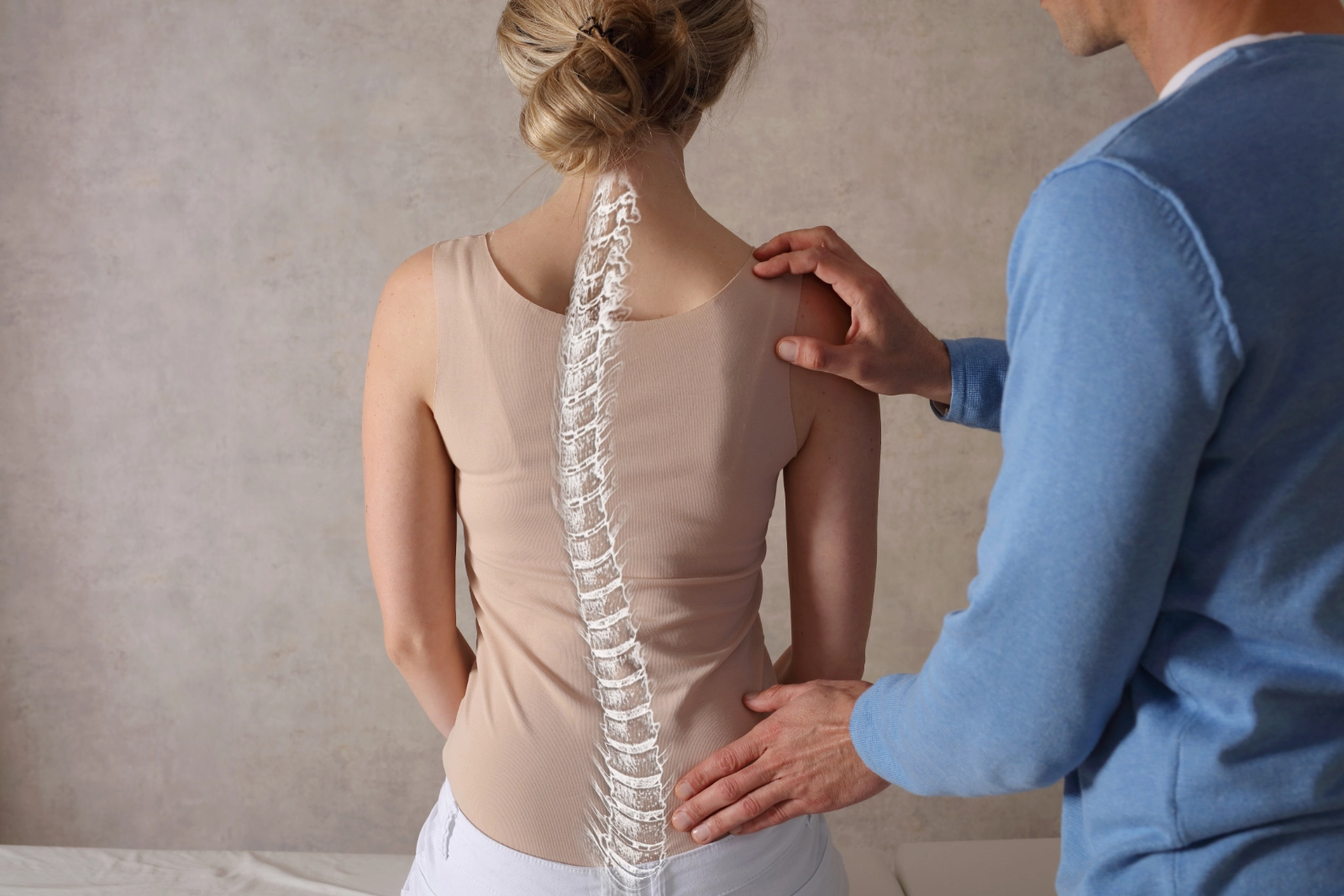
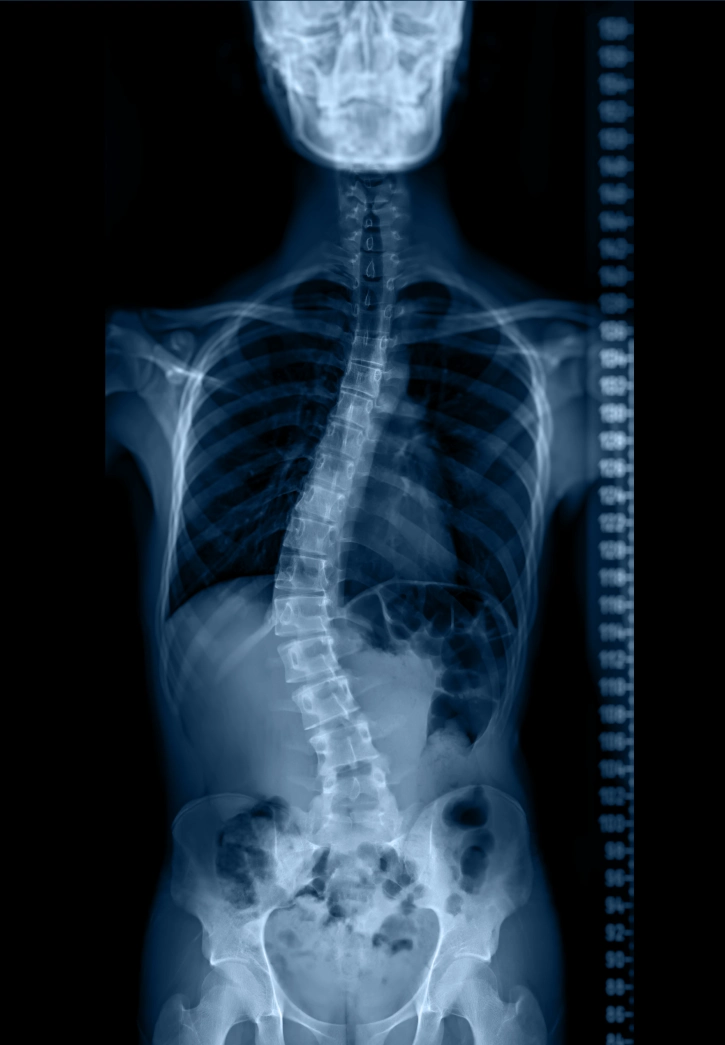
Scoliosis is an abnormal sideways curvature of the spine, often forming an “S” or “C” shape when viewed from behind. While mild curves may cause few symptoms, more significant curvature can affect posture, balance, and nerve function.
It can occur in children, teens, and adults, and the cause varies by age and type.
What Causes it?
Common causes include:
- Idiopathic scoliosis (unknown cause, most common in teens)
- Congenital spinal abnormalities
- Neuromuscular conditions
- Degenerative changes in adults
- Prior spine surgery or trauma
Adult scoliosis often develops when discs and joints wear down unevenly over time.
Common Symptoms
Symptoms vary depending on curve severity but may include:
- Uneven shoulders or hips
- Visible spinal curve
- Back pain or stiffness
- Muscle fatigue
- Leg pain or numbness (if nerves are compressed)
- Reduced endurance with activity
How It Is Diagnosed
Diagnosis typically includes:
- Detailed medical history
- Physical and postural exam
- X-rays to measure curve degree (Cobb angle)
- MRI or CT scans if nerve involvement is suspected
This helps Dr. Hodges understand both alignment and nerve health.
When to Seek Care
You should consider evaluation if:
- Pain persists or worsens
- You notice posture changes
- You develop numbness or weakness
- Walking or standing becomes difficult
Why Spine Motion Specialists?
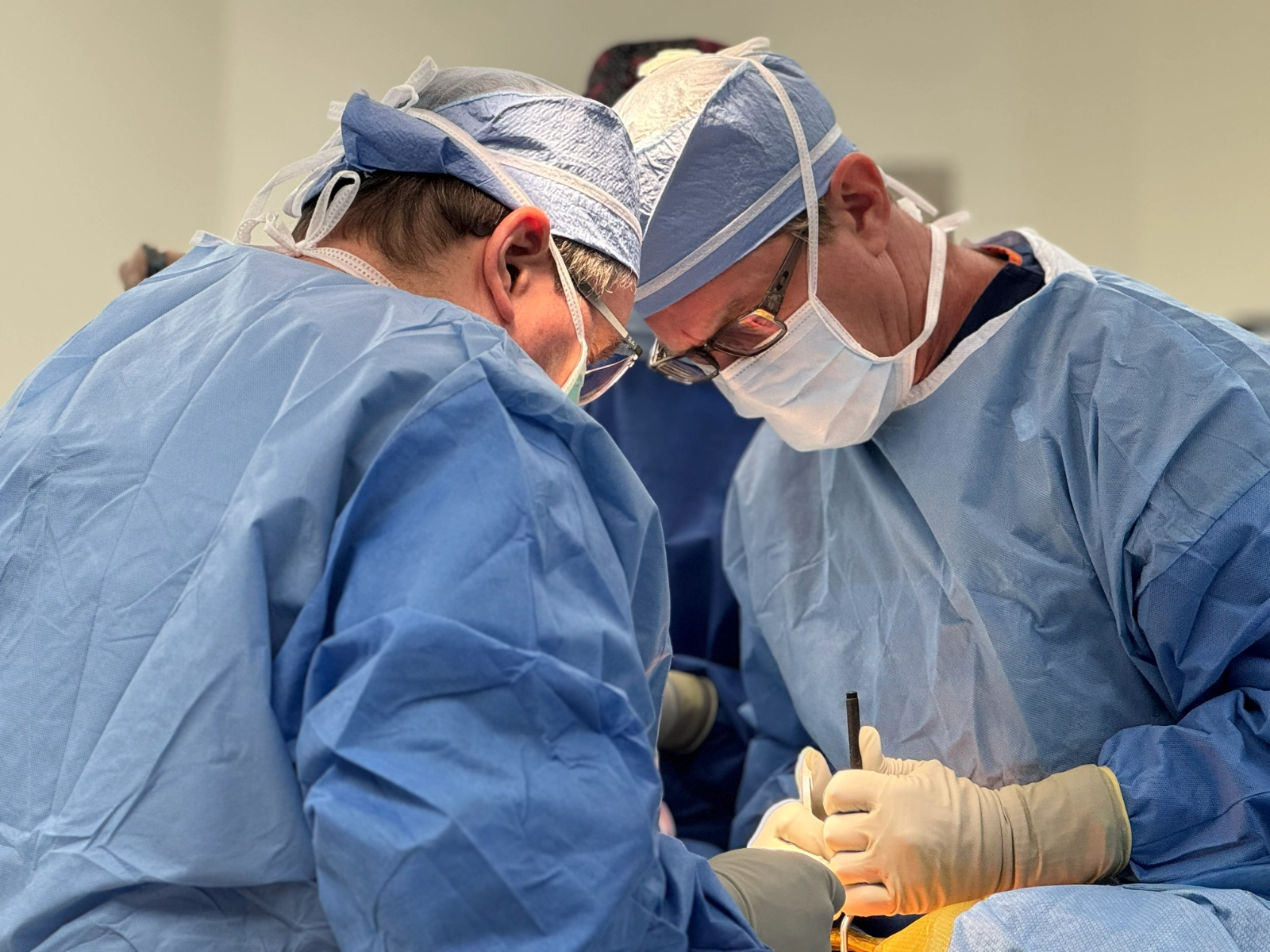
Your care plan is built around your goals, your movement, and your lifestyle, never a protocol.
Dr. Scott Hodges brings 35+ years of experience and a deep understanding of spine biomechanics to every patient visit.
Fusion-free philosophy
Motion-preserving expertise
Concierge, one-on-one care
Extended 60–90 minute consults
Virtual visits available for travel patients
Scoliosis
Frequently Asked Questions
Can scoliosis get worse over time?
Yes. Some curves can progress, especially in growing adolescents or adults with degenerative changes.
Will I need surgery?
Not always. Many patients manage symptoms well with conservative care. Surgery is considered only when pain or nerve symptoms are severe.
Can I stay active?
Yes. Staying active helps maintain flexibility and strength. Dr. Hodges will guide you on safe movement strategies.
Is scoliosis only a childhood condition?
No. Many adults develop scoliosis later in life due to disc and joint degeneration.
What if I’ve been told fusion is my only option?
Many patients seek us out for a second opinion. In some cases, motion-preserving alternatives may be available.
What are the symptoms of S-shaped spine?
The symptoms can include uneven shoulders, a shoulder blade that sticks out more than the other, uneven hips, or a visible curve in the spine. Some people also have back pain, stiffness, or fatigue, especially when the curve progresses or affects spinal balance.
Can it be treated without surgery?
Yes. Many cases are managed without surgery, depending on age, curve severity, symptoms, and whether the spine is still growing. Nonsurgical care may include observation, bracing, scoliosis-specific exercises, and other conservative treatments to help manage symptoms and reduce the risk of progression.
Does curved spine affect adults too?
Yes. A curved spine can affect both children and adults. Some adults have the condition that began earlier in life, while others develop degenerative scoliosis later due to age-related changes in the spine.
Start Your Path to Better Alignment
Not sure if scoliosis is causing your symptoms?
A consultation can help you get clarity and explore motion-preserving solutions.