Medically Reviewed & Written By — Spine Motion Specialists
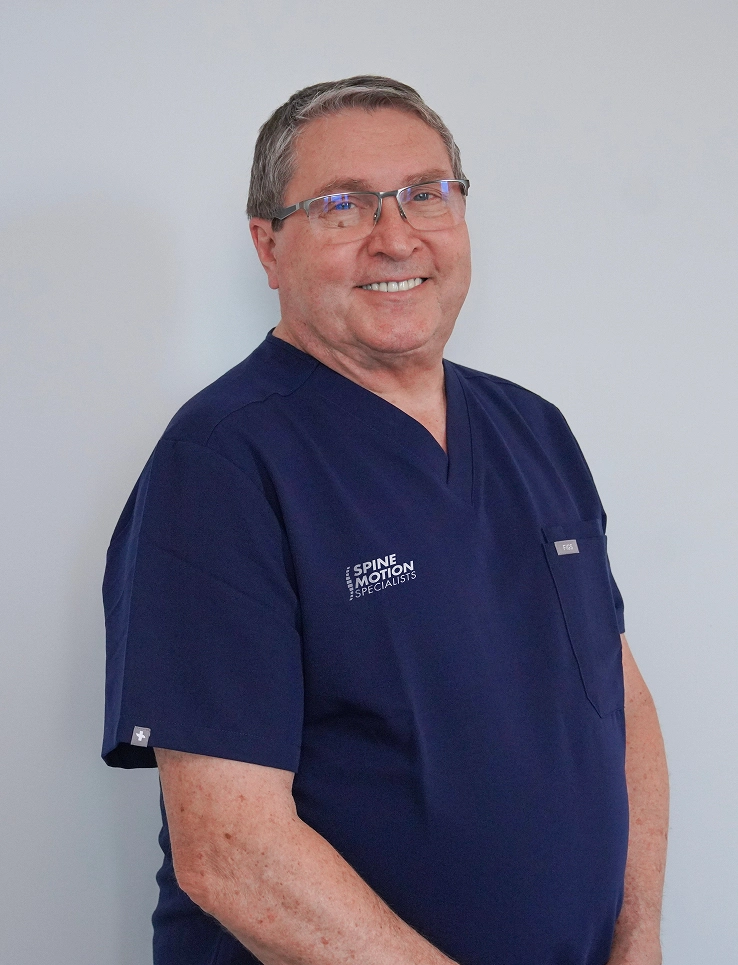
Scott Hodges, DO
Board-Certified Spine Surgeon · Spine Motion Specialists · Chattanooga, TN
Motion-Preserving Spine Treatments
Facet Joint Replacement (TOPS)
Restore stability while preserving natural movement
Living With
Chronic back pain doesn’t have to mean losing mobility
If standing, walking, or bending has become increasingly painful, facet joint degeneration or spinal instability may be the cause. Many patients are told their only option is spinal fusion — a procedure that permanently limits movement.
At Spine Motion Specialists, we take a different approach. Our philosophy is simple: your spine is meant to move. When surgery is necessary, we focus on advanced, motion-preserving solutions that relieve pain while protecting your flexibility and long-term function.

What is it?
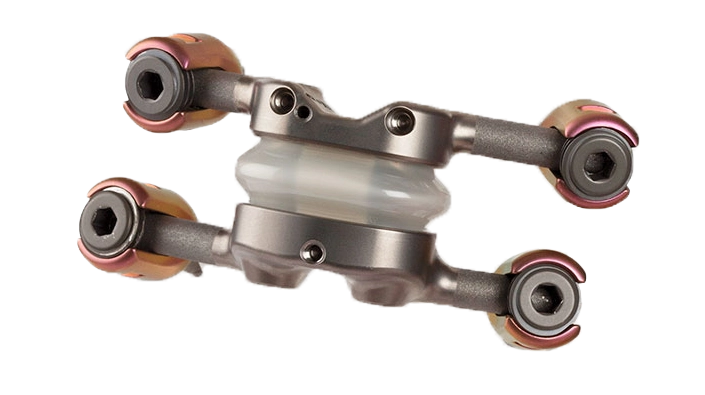
The TOPS System is an innovative, motion-preserving surgical solution designed to replace diseased or degenerated facet joints in the lumbar spine.
Unlike spinal fusion, which locks vertebrae together, the TOPS implant restores controlled movement and stability at the treated level.
It is specifically engineered to relieve pain caused by conditions like spinal stenosis, spondylolisthesis, and facet arthropathy, while maintaining the spine’s natural flexibility.
Who is a
Good Candidate
Facet joint replacement may be an option for patients who:
- Have lumbar spinal stenosis
- Have degenerative spondylolisthesis
- Experience chronic low back or leg pain
- Have not improved with conservative care
- Want to avoid fusion
Candidates should have good bone quality and single-level disease between L2 and L5 without significant scoliosis or instability requiring fusion. Since the TOPS procedure only replaces the function of the posterior 1/3 of the joint (the facet complex), patients must have healthy discs of adequate height in order to be a candidate for the implant.
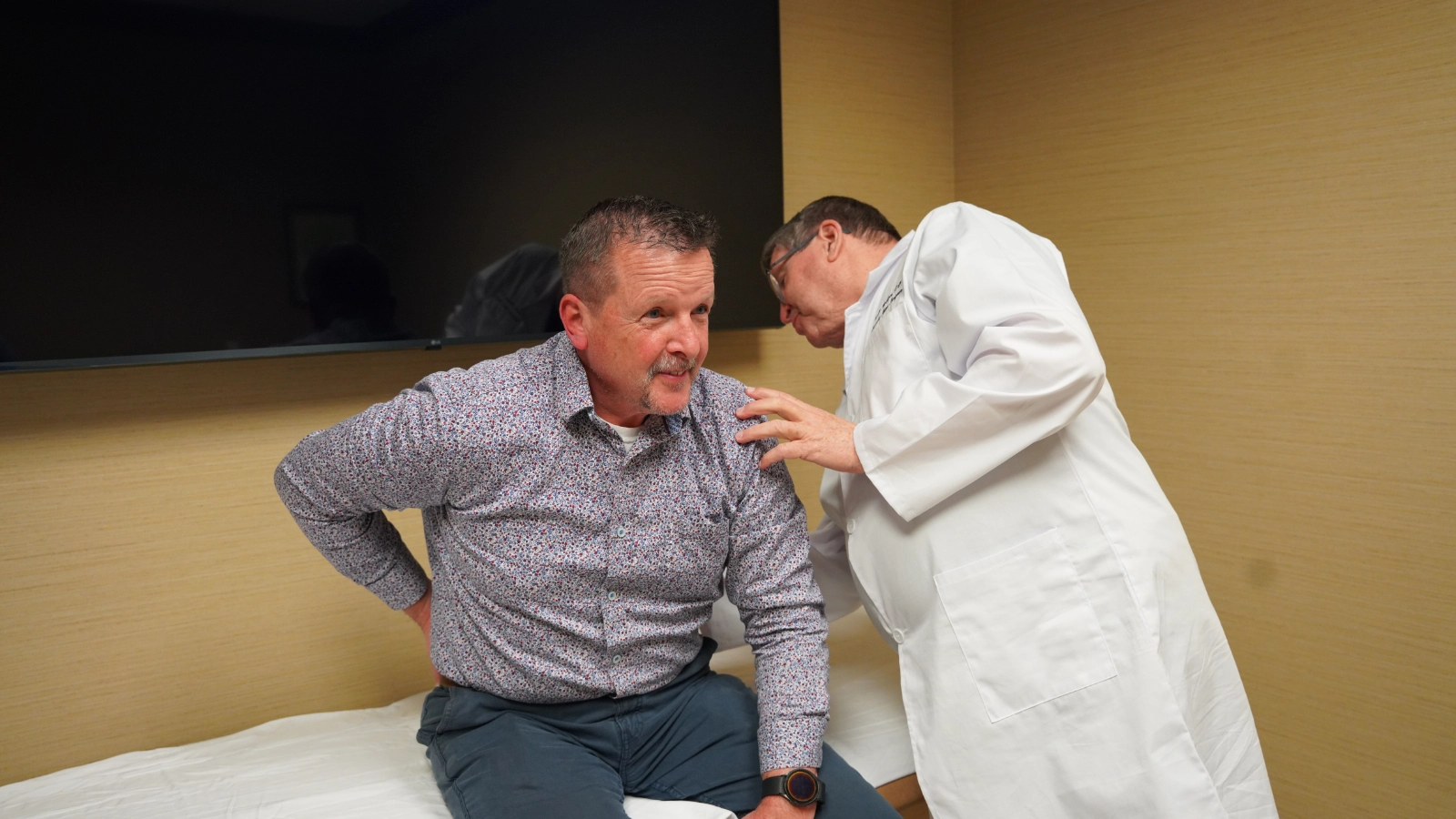
Dr. Hodges performs a comprehensive evaluation using advanced imaging and motion analysis to determine whether the TOPS system is appropriate for you. Every recommendation is personalized to your anatomy and lifestyle goals.
What Happens
During The Procedure
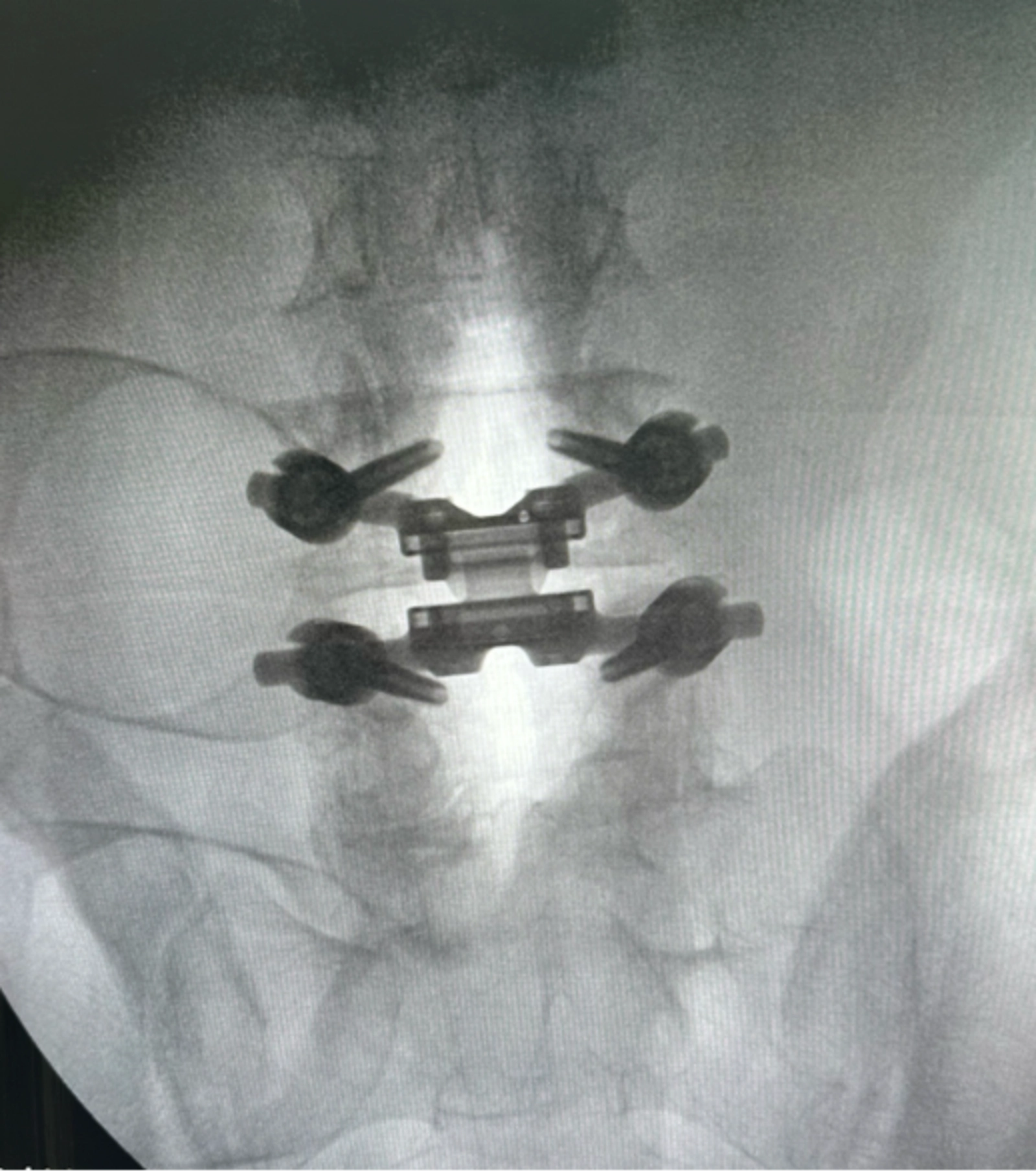
During the TOPS procedure, the surgeon removes the affected facet joints and the bony elements compressing the spinal nerves through a posterior (back) approach. The TOPS implant is then positioned between the vertebrae and secured with specialized fixation components. This device functions as an artificial facet, allowing the spine to bend, twist, and move in multiple directions, flexion, extension, lateral bending, and rotation. The surgery is performed using an open approach and precision imaging to ensure optimal placement on the implant.
What are the benefits
Facet joint replacement offers several advantages over fusion:
Preserves natural motion
Your spine continues to move normally, helping you maintain flexibility and function.
Restores stability
The TOPS implant controls abnormal motion while allowing healthy movement.
Reduces stress on nearby levels
Preserving motion may lower the risk of adjacent segment degeneration.
Faster recovery
Many patients return to daily activities sooner than after fusion.
Long-term spine protection
By restoring biomechanics, the implant supports healthier spinal function over time.
For many patients, this means
Lasting pain relief without sacrificing mobility.
What does recovery look like?
Recovery varies based on your health and activity level, but most patients experience a faster recovery than traditional fusion surgery.
Hospital stay
Most patients go home the same day or after an overnight stay.
Return to work
Light or desk work may be possible within 2–4 weeks. More physical jobs may require additional recovery time.
Physical therapy
Targeted therapy often begins after surgery to restore strength, balance, and confidence in movement.
Dr. Hodges will guide you through each phase of recovery with a personalized plan.
Why Spine Motion Specialists?
Your care plan is built around your goals, your movement, and your lifestyle, never a protocol.
Dr. Scott Hodges brings 35+ years of experience and a deep understanding of spine biomechanics to every patient visit.
Fusion-free philosophy
Motion-preserving expertise
Concierge, one-on-one care
Extended 60–90 minute consults
Virtual visits available for travel patients
Facet Joint Replacement (TOPS)
Frequently Asked Questions
Is facet joint replacement better than fusion?
For many patients, yes. Facet joint replacement is designed to stabilize the spine while preserving natural movement. Fusion permanently locks vertebrae together, which can limit mobility and place additional stress on nearby spinal levels over time.
With facet joint replacement, the goal is to control abnormal motion that causes pain while still allowing healthy movement. This approach may help maintain flexibility and reduce the risk of degeneration in surrounding segments. However, every case is unique, and Dr. Hodges carefully evaluates your anatomy and symptoms to determine the best option for you.
Is the facet joint replacement TOPS implant FDA approved?
Yes. The TOPS System has received FDA approval for specific indications in patients who meet certain clinical criteria.
Dr. Hodges will review your imaging, medical history, and symptoms to determine whether facet joint replacement using TOPS is appropriate for your condition. If it is not the right fit, he will walk you through alternative motion preserving options.
How long does the implant last?
The TOPS implant is designed for long term durability and to withstand the forces of everyday movement. Ongoing research continues to evaluate long term outcomes, and Dr. Hodges will discuss what current data shows and how it applies to your individual situation.
What if I have been told fusion is my only option?
For many years, fusion was the most common surgical solution offered for conditions involving facet joint degeneration and spinal instability.
At Spine Motion Specialists, Dr. Hodges carefully evaluates each patient to explore motion preserving alternatives to spinal fusion. In some cases, facet joint replacement may be an option that stabilizes the spine while protecting mobility.
While fusion may still be necessary in certain situations, many patients are surprised to learn they may have fusion-free options available. A second opinion can help you fully understand your choices and make a confident decision about your care.
Take the next step
Not sure if facet joint replacement is right for you?
A consultation can help you understand your options and make a confident decision.