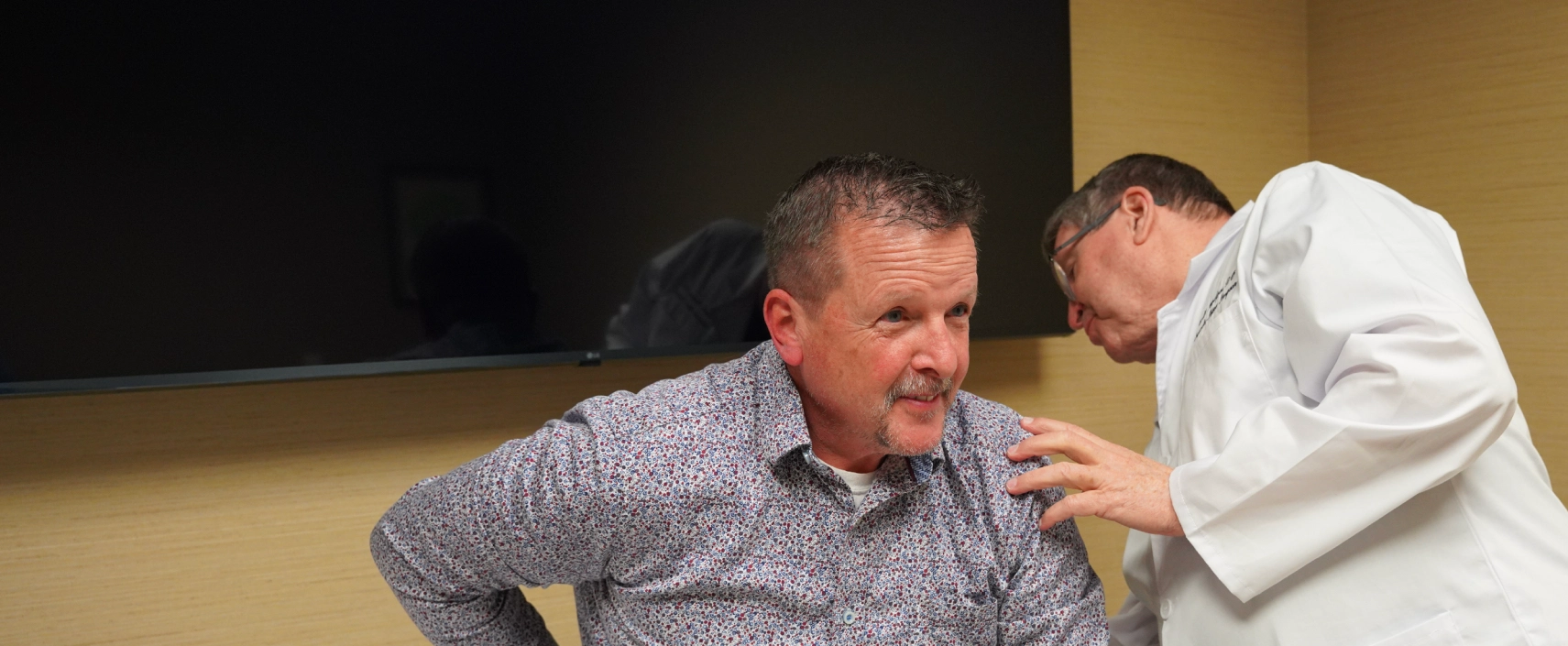
Medically Reviewed & Written By — Spine Motion Specialists

Scott Hodges, DO
Board-Certified Spine Surgeon · Spine Motion Specialists · Chattanooga, TN
Conditions We treat
Spondylolisthesis
Understanding your condition and exploring motion-preserving spondylolisthesis treatment options
Living With
Spondylolisthesis
Lower back pain that doesn’t seem to go away can be frustrating, especially when it affects your ability to walk, exercise, or stay active. If you’ve been diagnosed with it, you may feel uncertain about what it means for your future.
At Spine Motion Specialists, we focus on understanding the root cause of your pain and providing motion-preserving solutions, including spondylolisthesis treatment, that relieve symptoms while protecting your mobility and independence.

What Is It?
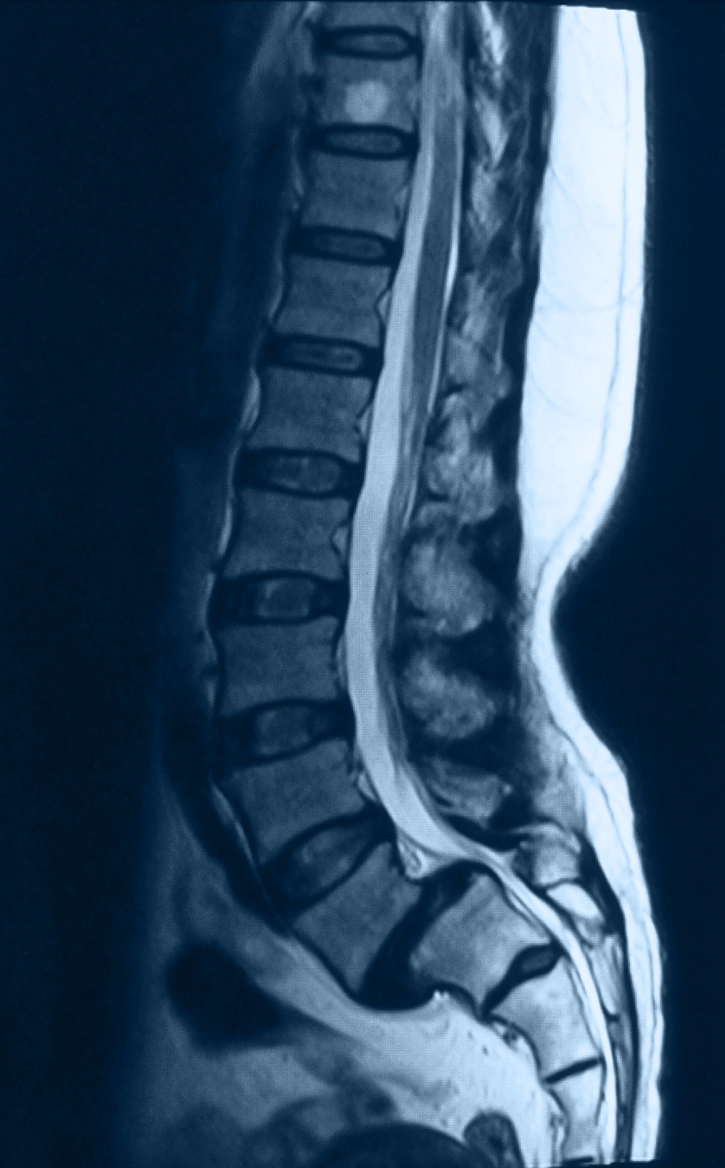
Spondylolisthesis occurs when one vertebra slips forward over the bone beneath it. This misalignment can create instability in the spine and place pressure on nearby nerves, leading to pain and reduced movement.
It most commonly affects the lower back (lumbar spine), and spondylolisthesis treatment can vary depending on whether the slippage is mild or more advanced.
What Causes It?
It can develop for several reasons:
- Degenerative changes that weaken joints and discs (most common in adults)
- Stress fractures (spondylolysis)
- Congenital spinal defects
- Trauma or injury
- Repetitive strain from sports or activity
- Genetic factors
Over time, these factors can compromise spinal stability and lead to vertebral slippage.

Common Symptoms
Symptoms vary based on severity, but may include:
- Lower back pain
- Stiffness or muscle tightness
- Radiating leg pain or numbness
- Difficulty walking
- Reduced flexibility
- Hamstring tightness
How Is It Diagnosed
Diagnosis typically includes:
- Detailed medical history
- Physical examination
- X-rays to assess vertebral alignment
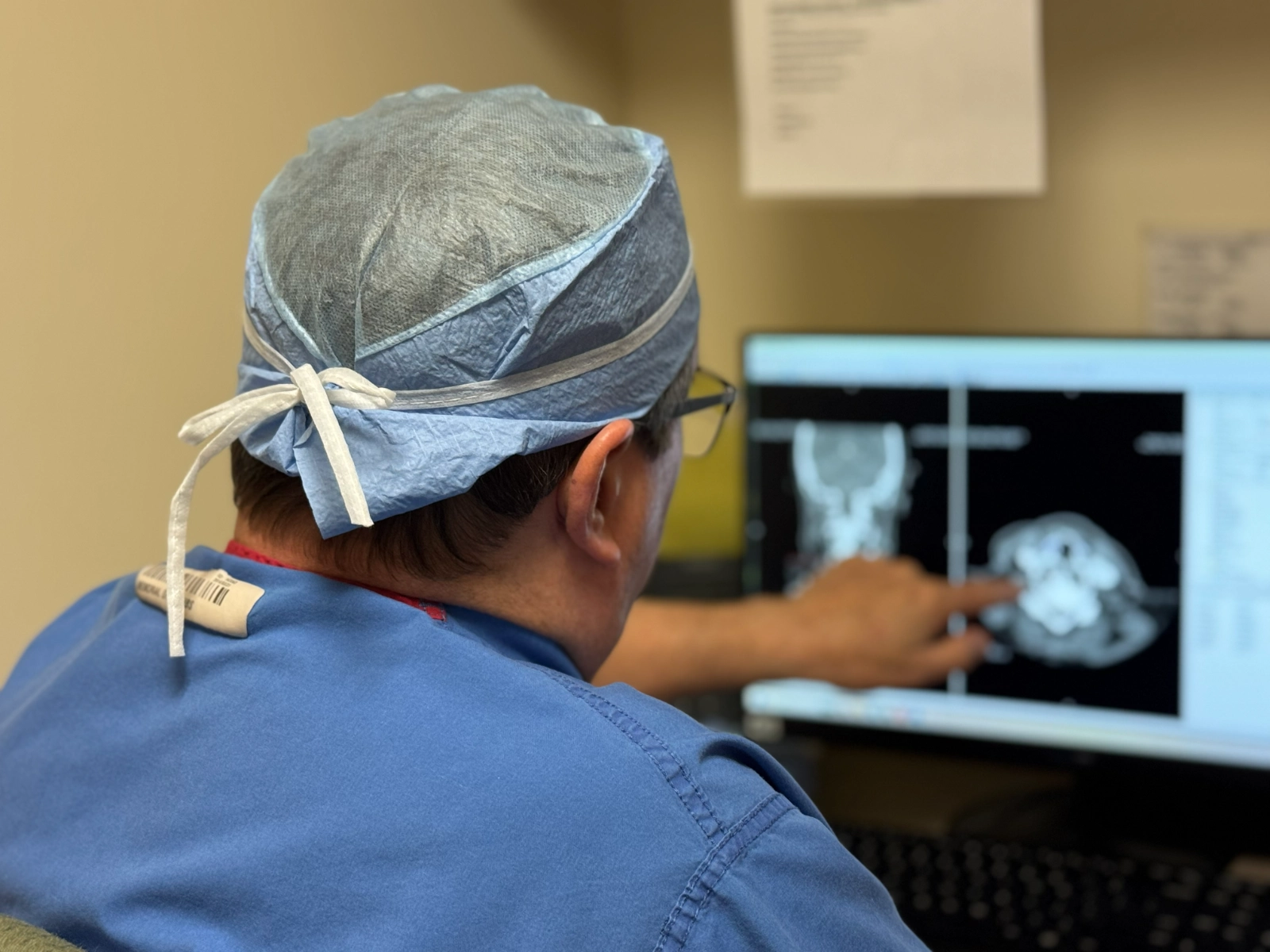
- MRI or CT scans to evaluate nerve involvement
This allows Dr. Hodges to determine the degree of slippage and whether nerves are affected.
When to Seek Spondylolisthesis Treatment
You should consider evaluation if
- Pain persists for several weeks
- Walking becomes difficult
- You notice numbness or weakness
- Symptoms limit daily activities
Why Spine Motion Specialists?
Your care plan is built around your goals, your movement, and your lifestyle, never a protocol.
Dr. Scott Hodges brings 35+ years of experience and a deep understanding of spine biomechanics to every patient visit.
Fusion-free philosophy
Motion-preserving expertise
Concierge, one-on-one care
Extended 60–90 minute consults
Virtual visits available for travel patients
Spondylolisthesis
Frequently Asked Questions
Can spondylolisthesis get worse over time?
In some cases, yes. Degenerative changes can progress, which is why early evaluation and treatment can matter.
Will I need surgery?
Not always. Many patients improve with physical therapy and conservative care, and spondylolisthesis treatment often begins with these non-surgical approaches. Surgery is considered only if symptoms persist or nerve function is affected.
Can I stay active?
Yes. Staying active during spondylolisthesis treatment helps maintain strength and mobility. Dr. Hodges will guide you on safe exercises.
What is TOPS facet replacement?
TOPS is a motion-preserving procedure that replaces the facet joints while keeping the disc intact. It helps restore stability without fusion for select patients.
What if I’ve been told fusion is my only option?
Many patients seek us out after hearing this. In some cases, motion-preserving alternatives and treatment options may be appropriate. A consultation can help explore your options.
How is spondylolisthesis diagnosed?
It is typically diagnosed through a physical exam, a review of your symptoms, and imaging such as X-rays or MRI. These tests help show how much slippage is present, whether nerves are involved, and which treatment options may be most appropriate.
Start Your Path to Relief
Not sure if spondylolisthesis is causing your pain?
A consultation can help you get clarity and explore motion-preserving solutions.