Conditions We treat
Spinal Stenosis
Understanding your symptoms and exploring motion-preserving treatment options
Living With
Spinal Stenosis
If walking, standing, or staying active has become increasingly difficult, spinal stenosis may be the cause. Many patients describe heaviness in their legs, worsening pain with activity, or needing to sit frequently for relief. Over time, this can impact independence and quality of life.
At Spine Motion Specialists, we focus on identifying the true source of your symptoms and offering motion-preserving solutions that relieve pressure on nerves without sacrificing mobility.

What Is It?
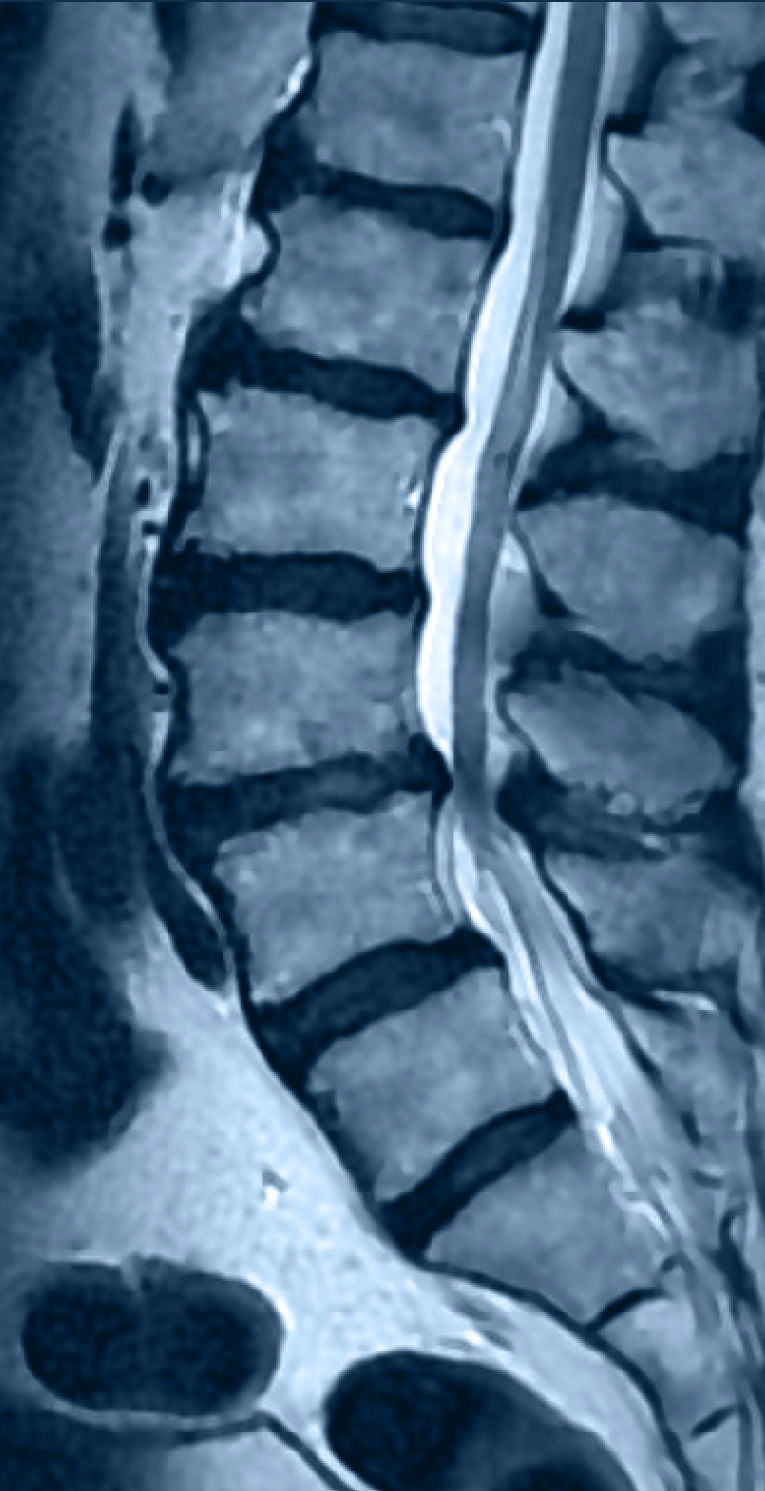
Spinal stenosis occurs when spaces inside the spine narrow, placing pressure on the spinal cord or nerve roots. This compression can cause pain, numbness, tingling, or weakness in the arms or legs, depending on the area affected.
Stenosis may involve the central spinal canal or the foraminal openings where nerves exit the spine. It most commonly affects the lumbar (lower back) and cervical (neck) regions and often progresses gradually over time.
What Causes Spinal Stenosis?
The most common cause is age-related degeneration. As we get older:
- Discs lose height and hydration
- Ligaments thicken
- Bone spurs may form
- Joints develop arthritis
These changes gradually narrow the spinal canal and pinch nearby nerves.
Other causes include:
- Prior spine injuries
- Congenital spinal conditions
- Arthritis
- Rarely, tumors

Common Symptoms
Symptoms vary based on location and severity, but may include:
- Neck or low back pain
- Numbness or tingling in arms or legs
- Weakness
- Cramping, heaviness, or fatigue in the legs when walking or standing
- Relief with sitting or bending forward
(Neurogenic claudication is a classic sign of lumbar stenosis.)
How Spinal Stenosis Is Diagnosed
Diagnosis typically includes:
- Detailed medical history
- Neurological exam
- MRI or CT imaging to visualize canal narrowing
This allows Dr. Hodges to determine exactly where nerves are being compressed.
When to Seek Care
You should consider evaluation if:
- Walking distance is decreasing
- Pain worsens with standing
- You feel leg weakness or heaviness
- Symptoms interfere with daily life
Why Spine Motion Specialists?
Your care plan is built around your goals, your movement, and your lifestyle, never a protocol.
Dr. Scott Hodges brings 35+ years of experience and a deep understanding of spine biomechanics to every patient visit.
Fusion-free philosophy
Motion-preserving expertise
Concierge, one-on-one care
Extended 60–90 minute consults
Virtual visits available for travel patients
Spinal Stenosis
Frequently Asked Questions
Can spinal stenosis get better without surgery?
Yes. Many patients improve with physical therapy, posture training, and injections. Surgery is only considered when symptoms persist or worsen.
Why does my pain improve when I sit?
Sitting or bending forward opens the spinal canal slightly, reducing nerve pressure, a classic sign of lumbar stenosis.
Will I lose mobility if I need surgery?
Not at Spine Motion Specialists. Our focus is motion-preserving procedures that relieve nerve pressure while protecting natural movement.
Can I stay active with spinal stenosis?
Yes. Low-impact activity often helps maintain strength and mobility. Dr. Hodges will guide you on safe movement strategies.
What if I’ve been told fusion is my only option?
Many patients seek us out after hearing this. In some cases, fusion-free alternatives may be appropriate. A consultation can help explore your options.
What is the success rate of a laminectomy (lumbar decompression)?
Success is usually measured by improved walking/leg pain and function (not a guaranteed “cure”). In long-term research on lumbar spinal stenosis, about ~55% of patients reported being satisfied at 8–10 years, and systematic reviews show meaningful average improvements in pain/disability after laminectomy.
How long do laminectomy results last?
For many patients, relief from a lumbar laminectomy can last many years, particularly when the primary issue was nerve compression from spinal stenosis. Patients often experience meaningful improvement in leg pain, walking tolerance, and overall function after recovery.
However, long-term outcomes depend on factors such as overall spine health, alignment, and the progression of degenerative changes over time. Some patients may develop new or recurrent symptoms if additional degeneration occurs at the treated level or nearby segments.
At Spine Motion Specialists, careful evaluation and attention to biomechanics are part of the long-term strategy to help preserve motion, maintain stability, and support lasting results.
Start Your Path to Relief
Not sure if spinal stenosis is causing your symptoms?
A consultation can help you get clarity and explore motion-preserving solutions.