Motion-Preserving Spine Treatments
Cervical Disc Replacement
Relieve neck pain while preserving natural movement.
Living With
Neck pain doesn’t have to mean giving up motion
Chronic neck pain, arm pain, numbness, or weakness can quietly take over your daily life. Simple things like driving, sleeping, working at a computer, or turning your head can become uncomfortable or even painful. Many patients worry that surgery automatically means losing movement or being “locked” into a stiff spine.
At Spine Motion Specialists, we approach care differently. Our philosophy is simple: your spine is meant to move. When surgery is needed, we prioritize motion-preserving solutions that relieve pain while protecting your long-term mobility and quality of life.

What is it?
Cervical disc replacement (also called cervical disc arthroplasty) is a motion-preserving surgical procedure used to treat damaged or degenerated discs in the neck. Instead of removing the disc and fusing the vertebrae together, the damaged disc is replaced with an artificial disc implant designed to mimic natural spinal movement.
This artificial disc restores normal disc height, maintains spacing between vertebrae, and allows the neck to continue bending, rotating, and moving naturally. Unlike fusion, which permanently locks two bones together, cervical disc replacement keeps motion intact and helps reduce stress on the surrounding spinal levels.
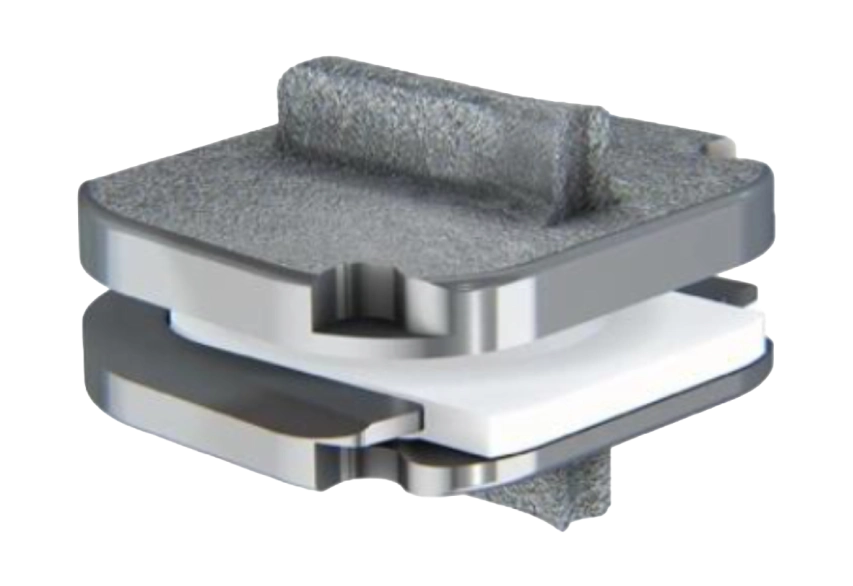
There are currently 8-10 different cervical disc replacements being used in the United States, either with FDA approval or are in ongoing clinical trials. A variety of the most common devices in the US are listed below.
- Prodisc-C, Centinel Spine
- Prestige-LP, Medtronic
- Mobi-C, Highridge Medical
- Simplify, Globus Medical
- Baguera-C, Spineart (Currently undergoing US clinical trials)
- Synergy, Synergy Spine (Currently undergoing US clinical trials)
- M6-C, Orthofix (Recently removed from market)
Who is a
Good Candidate
Cervical disc replacement may be an option for patients who:
- Have chronic neck or arm pain caused by disc degeneration or herniation
- Experience numbness, tingling, or weakness from nerve compression
- Have not found relief with physical therapy, medications, injections other conservative care options
- Have good bone quality
- Have minimal arthritis in the facet joints
- Maintain stable cervical spine alignment
Dr. Hodges performs a comprehensive evaluation that includes advanced imaging and motion analysis to determine whether cervical disc replacement is the safest and most effective option for you. Every recommendation is personalized, never protocol-based.
What Happens
During The Procedure
During cervical disc replacement, the surgeon makes a small incision in the anterior (front) portion of the neck to safely access the cervical spine. This approach allows the surgeon to safely access the cervical spine while minimizing muscle disruption.
During the procedure
- The damaged disc is carefully removed
- The space is prepared to restore proper height and alignment
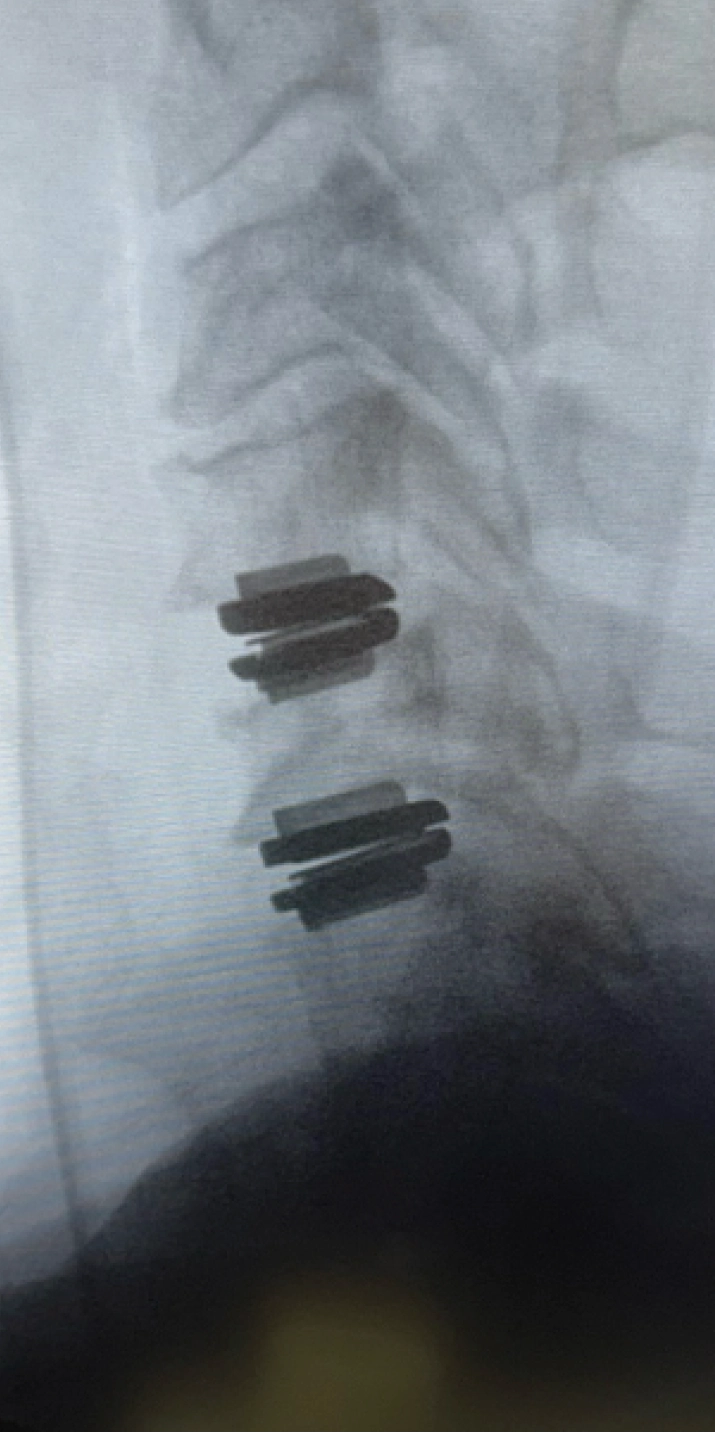
- Using fluoroscopic guidance, the artificial disc is precisely positioned between the vertebrae to restore normal height, alignment, and mobility
- Motion is restored at the treated level
Because this is a minimally invasive approach, surrounding tissues are preserved as much as possible. Most patients experience less postoperative pain, smaller scars, and faster recovery compared to traditional open surgery.
The procedure is designed to relieve pressure on the spinal cord and nerves while maintaining the natural mechanics of the neck.
What are the benefits
Cervical disc replacement offers several advantages over traditional fusion surgery:
Preserves natural motion
Your neck continues to move normally, helping you maintain flexibility and function.
Reduces stress on nearby levels
By keeping motion intact, this procedure may lower the risk of degeneration in surrounding discs
Faster recovery
Most patients return to daily activities sooner compared to fusion surgery.
Less stiffness after surgery
Maintaining movement helps prevent the rigid feeling some patients experience after fusion.
Long-term spine protection
By preserving biomechanics, disc replacement supports healthier spinal function over time.
For many patients, this means
Lasting pain relief without sacrificing mobility.
What does recovery look like?
Recovery varies based on your health and activity level, but most patients experience a faster recovery than traditional fusion surgery.
Hospital stay
Most patients go home the same day or after an overnight stay.
Return to work
Light or desk work may be possible within 1–2 weeks. More physical jobs may require additional recovery time.
Physical therapy
Targeted therapy often begins after surgery to restore strength, flexibility, and confidence in movement.
Dr. Hodges will guide you through each phase of recovery with a personalized plan.
Why Spine Motion Specialists?
Your care plan is built around your goals, your movement, and your lifestyle, never a protocol.
Dr. Scott Hodges brings 35+ years of experience and a deep understanding of spine biomechanics to every patient visit.
Fusion-free philosophy
Motion-preserving expertise
Concierge, one-on-one care
Extended 60–90 minute consults
Virtual visits available for travel patients
Cervical Disc Replacement
Frequently Asked Questions
Is cervical disc replacement better than fusion?
For many patients, yes. Cervical disc replacement is designed to preserve natural motion at the treated level, whereas fusion permanently locks two bones together. By maintaining movement, disc replacement may help reduce stress on the surrounding spinal levels, which can be an issue after fusion.
That said, every patient is different. Factors such as your anatomy, overall spine health, and the condition of your facet joints all play a role in determining the best option. Dr. Hodges takes time to review your imaging, symptoms, and goals to recommend the safest and most effective approach for you.
Will I set off metal detectors?
In most cases, no. Modern artificial disc implants are small and made from materials that typically do not trigger metal detectors. However, this can vary depending on the device used.
You will receive implant documentation after surgery that you can carry with you when traveling. If you ever have questions about your implant, our team is happy to help.
Can more than one disc be replaced?
Yes, some patients are candidates for multi-level disc replacement. This depends on several factors including:
- The location and number of damaged discs
- Overall spine alignment
- Facet joint health
- Bone quality
Dr. Hodges performs a comprehensive evaluation to determine whether treating more than one level is safe and appropriate for your specific condition.
What if I have been told fusion is my only option?
This is something we hear often. For many years, fusion was the most common surgical solution offered for cervical disc problems. However, advances in motion preserving technology have created new options for certain patients.
Dr. Hodges specializes in motion preserving surgery and carefully evaluates each case to see if disc replacement or another non fusion option may be appropriate. While fusion is still necessary in some situations, many patients are surprised to learn they may have alternatives.
A second opinion can help you fully understand your options and make a confident decision about your care.
What’s the typical timeline for cervical disc replacement recovery?
Recovery after cervical disc replacement varies by patient, but many people experience a relatively smooth and efficient return to daily activities compared to fusion.
- Week 1–2: soreness and stiffness improve; short walks and basic daily activities are common.
- Weeks 3–6: many return to desk work/light activity and start rehab as advised.
- Weeks 6–12+: strength and mobility continue to rebuild, with a gradual return to heavier activity based on your surgeon’s clearance.
Because cervical disc replacement preserves motion in the neck, many patients notice less stiffness and a quicker return to normal function. Dr. Hodges will provide a personalized recovery timeline based on your procedure, overall health, and activity goals to ensure safe, steady progress.
What is the success rate of cervical disc replacement?
It depends on how “success” is defined (pain/disability improvement, neurologic improvement, and avoiding reoperation), but large FDA trial follow-ups often report ~80%+ “overall success” for cervical disc arthroplasty. Overall results vary by device and most importantly, patient selection, which groups like the American Academy of Orthopaedic Surgeons emphasize when setting expectations.
What is the success rate of a C5–C6 disc replacement?
C5–C6 outcomes are generally reported under overall single-level cervical disc replacement results (since many studies don’t break success rates out by one exact level).
Cervical (neck) disc replacement often demonstrates success rates above 90 to 92% for pain relief and improved function, frequently matching or outperforming spinal fusion in long-term outcomes.
Take the next step
Not sure if cervical disc replacement is right for you? A consultation can help you understand your options and make a confident decision.