Motion-Preserving Spine Treatments
Cervical Fusion Reversal to Disc Replacement
Restore motion after cervical fusion
Living With
Stiffness after fusion does not have to be permanent
Many patients who have undergone cervical fusion later experience stiffness, reduced range of motion, or new pain above or below the fused segment. Simple activities like turning your head, driving, or looking down at your phone can become frustrating or uncomfortable.
At Spine Motion Specialists, we believe your spine is meant to move. When possible, we focus on motion preserving solutions even for patients who have had prior surgery. Cervical fusion reversal offers select patients the opportunity to restore movement and reduce stress on surrounding levels.

What is it?
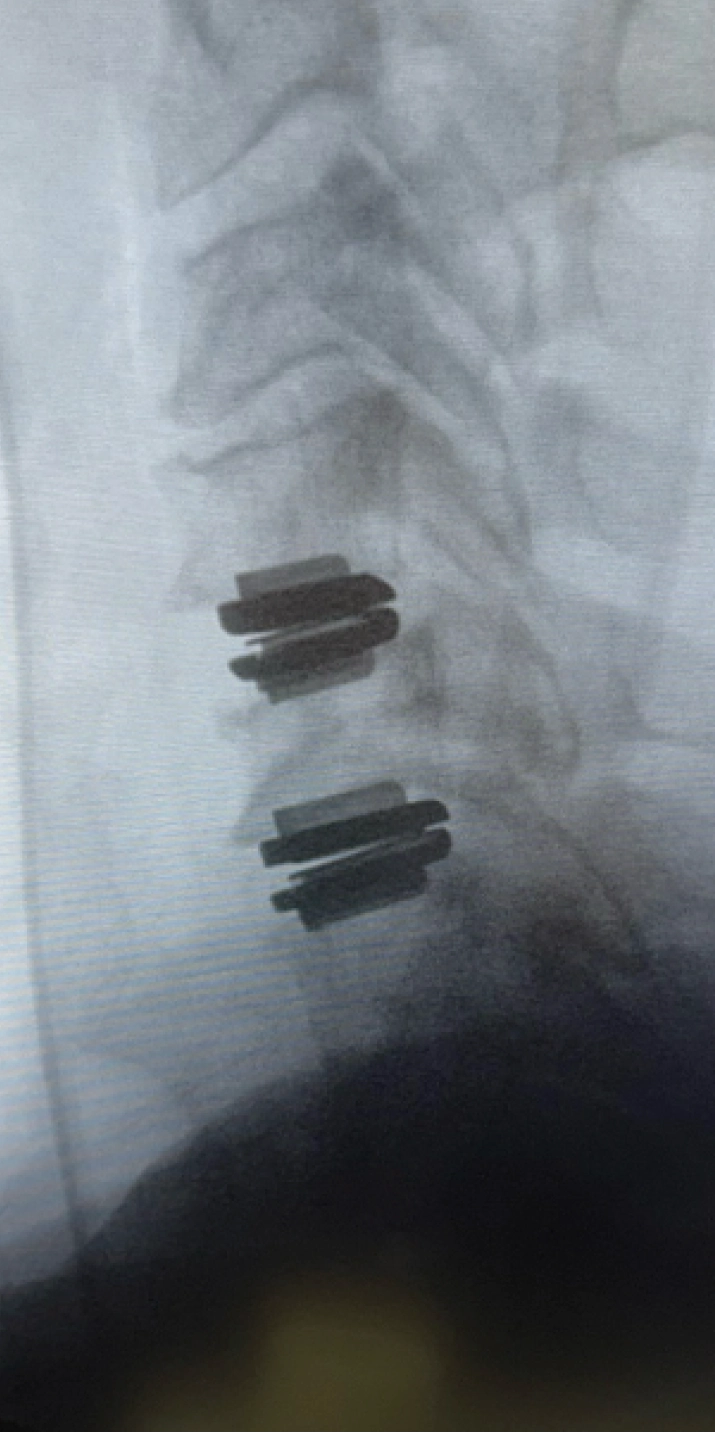
Cervical fusion reversal involves removing a previous fusion and replacing it with an artificial disc through cervical disc arthroplasty. Instead of permanently locking the spine, this procedure is designed to restore motion at the treated level.
Over time, fusion can place additional stress on nearby discs, sometimes leading to adjacent segment degeneration. By restoring motion, disc arthroplasty aims to create more natural spinal mechanics and reduce excess strain on surrounding levels.
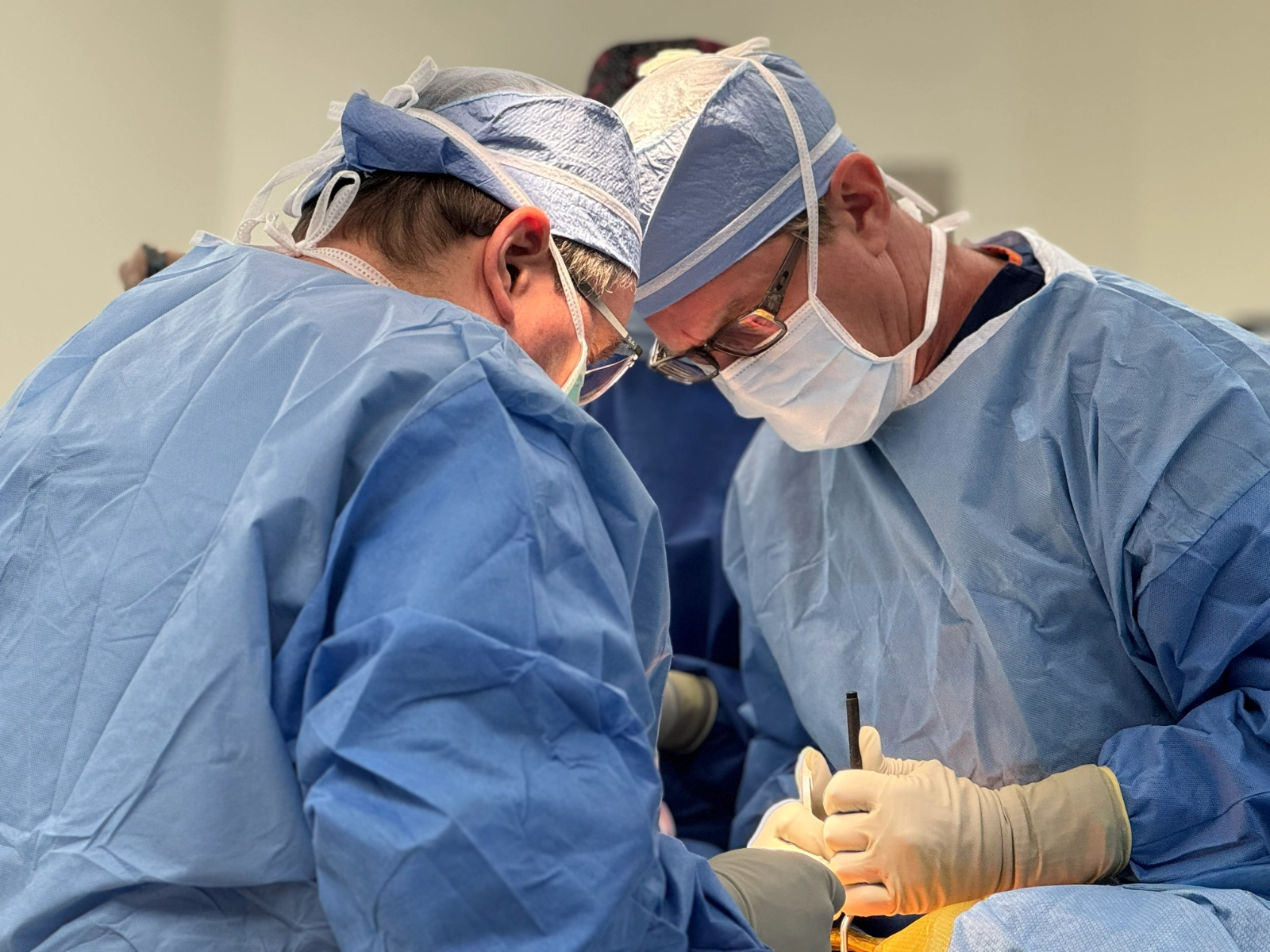
This is a highly specialized procedure and is only appropriate for select patients. Dr. Hodges carefully evaluates each case to determine if fusion reversal is safe and feasible.

Who is a
Good Candidate
Ideal candidates are patients who have previously undergone a single- or mulit-level cervical fusion and now experience adjacent segment disease, limited neck motion, or persistent pain that has not improved with conservative treatments.
Candidates should have adequate bone quality, no significant spinal instability, and sufficient space for disc implantation.
For patients seeking this option, Dr. Hodges conducts a comprehensive evaluation, including imaging, motion studies, and prior surgical review, to determine whether a fusion reversal and disc replacement can safely and effectively restore motion.
What Happens
During The Procedure
During a cervical fusion reversal, the surgeon carefully removes the existing hardware and any bone graft material used in the original fusion. Using microsurgical and image-guided techniques, the fusion site is then reconstructed to restore the normal disc space and alignment. Once the space is properly prepared, an artificial disc is implanted to reestablish mobility between the vertebrae. This procedure requires expert precision to ensure stability, proper motion restoration, and protection of nearby nerves and vessels.
This is a highly specialized procedure and is only appropriate for select patients. Dr. Hodges carefully evaluates each case to determine if fusion reversal is safe and feasible.
What are the benefits
Restores natural motion
Replacing fusion with an artificial disc allows the neck to move again.
Reduces stress on nearby levels
Restoring motion may decrease strain on adjacent discs.
Improves comfort and function
Many patients experience less stiffness and improved daily mobility.
Avoids extending fusion
Prevents the need to fuse additional spinal levels.
Supports long term spine health
Improves biomechanics and movement patterns.
For many patients, this means
Renewed flexibility and improved quality of life.
What does recovery look like?
Recovery varies by individual and complexity of surgery.
Hospital stay
Most patients go home the same day or after an overnight stay.
Return to work
Light work may be possible within two to three weeks.
Physical therapy
Therapy focuses on restoring strength and confidence in movement.
Dr. Hodges will guide you through each phase of recovery with a personalized plan.
Why Spine Motion Specialists?
Your care plan is built around your goals, your movement, and your lifestyle, never a protocol.
Dr. Scott Hodges brings 35+ years of experience and a deep understanding of spine biomechanics to every patient visit.
Fusion-free philosophy
Motion-preserving expertise
Concierge, one-on-one care
Extended 60–90 minute consults
Virtual visits available for travel patients
Cervical Fusion Reversal to Disc Replacement
Frequently Asked Questions
Is fusion reversal safe?
For carefully selected patients, fusion reversal can be performed safely by an experienced surgeon. Dr. Hodges has extensive expertise in complex cervical spine procedures and will thoroughly evaluate risks and benefits before recommending this option.
Why would someone reverse a fusion?
Some patients experience stiffness, limited motion, or pain at levels above or below the fusion. Reversing the fusion can help restore movement and reduce stress on surrounding segments.
Will my neck move normally again?
Many patients regain meaningful motion after disc replacement, although range of motion varies. The goal is to restore functional movement and reduce stiffness.
Is this procedure common?
Fusion reversal is a highly specialized procedure performed by a small number of surgeons with advanced training in motion preserving surgery.
What if I have been told revision fusion is my only option?
This is something we hear often. While fusion extension is sometimes necessary, many patients are surprised to learn that motion preserving alternatives may still be possible. A second opinion can help explore your options.
Can more than one level be reversed?
In some cases, yes. Dr. Hodges will evaluate your anatomy and surgical history to determine what is safe and appropriate.
Take the next step
Not sure if cervical fusion reversal is right for you?
A consultation can help you understand your options and make a confident decision.