Motion-Preserving Spine Treatments
Spinal Decompression
Relieve nerve pressure while preserving natural movement
Living With
Nerve pain does not have to limit your life
Pain that travels into your arms or legs can make everyday activities feel overwhelming. Walking, standing, sleeping, or even sitting can become uncomfortable. Many patients feel frustrated when conservative treatments no longer provide relief.
At Spine Motion Specialists, we believe your spine is meant to move. When surgery is necessary, we focus on motion preserving solutions that relieve nerve compression while protecting your long term mobility and function.

What is it?
Spinal decompression surgery is a broad term for procedures that relieve pressure on the spinal cord or nerve roots caused by conditions such as spinal stenosis, herniated discs, bone spurs, or ligament thickening. The goal is to remove the structures that compress the nerves, thereby alleviating pain, numbness, tingling, or weakness in the back, neck, or limbs.
Instead of fusing the spine, decompression surgery removes only the structures that are compressing the nerves. This may include small portions of bone, ligament, or disc material. The goal is to create more space for the nerves while preserving as much of the natural spinal anatomy as possible.
By relieving nerve compression without locking the spine, decompression surgery helps reduce pain, numbness, tingling, and weakness while maintaining movement.
Who is a
Good Candidate
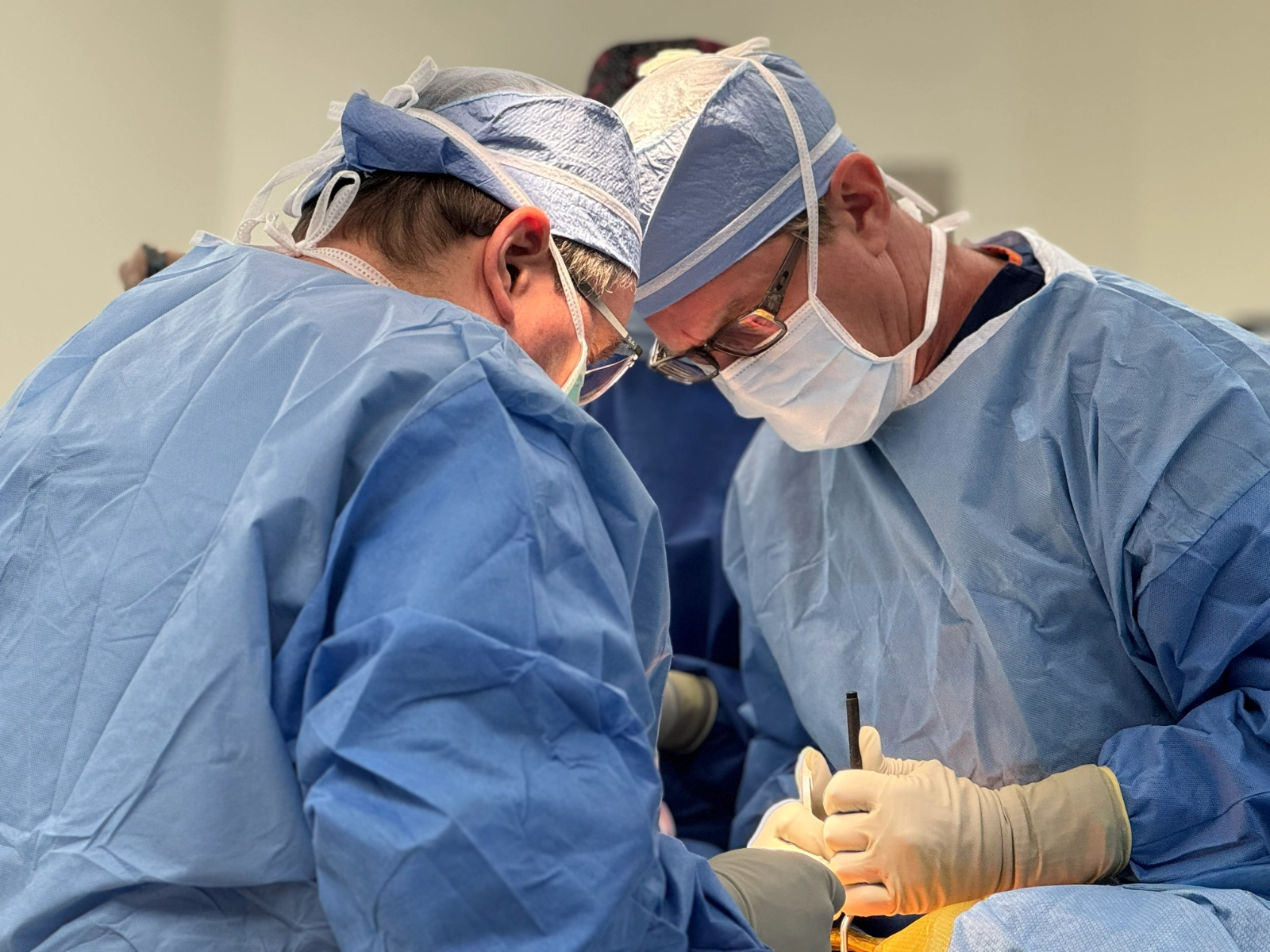
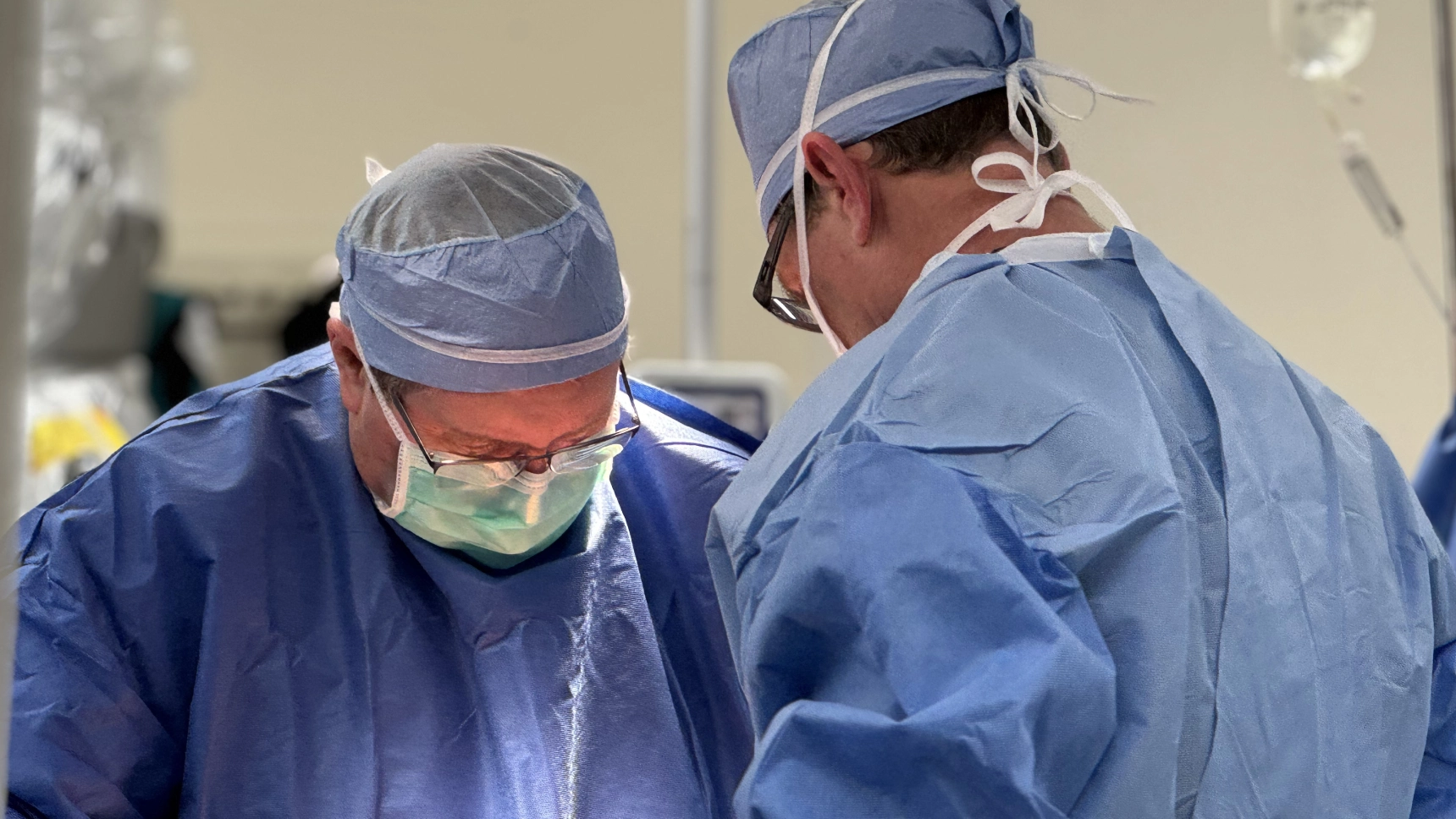
During spinal decompression, the surgeon uses advanced imaging and minimally invasive techniques to identify and remove the exact source of nerve compression. Depending on the patient’s anatomy and condition, this may involve one or more targeted procedures:
- Laminotomy or Laminectomy: Removing part or all of the lamina (the bony roof of the spinal canal) to create more space for the spinal cord and nerves.
- Foraminotomy: Enlarging the neural foramen, the passageway where nerve roots exit the spine, to relieve nerve impingement.
- Medial Facetectomy: Trimming or reshaping part of the facet joint to decompress a pinched nerve without destabilizing the spine.
Each approach is performed through small incisions using specialized tools, minimizing tissue disruption and supporting faster recovery.
What Happens
During The Procedure
Spinal decompression is typically performed through a small incision in the back or neck, depending on the location of compression.
During the procedure:
- The surgeon accesses the affected area of the spine
- Compressive structures such as bone spurs or thickened ligaments are carefully removed
- Nerve roots and the spinal cord are decompressed
- Spinal stability is preserved whenever possible
Advanced imaging and precision techniques are used to ensure accurate decompression while protecting surrounding tissues. This minimally invasive approach often results in less postoperative pain and faster recovery compared to traditional open surgery.
What are the benefits
Spinal decompression offers several potential benefits:
Relieves nerve pressure
Removes the source of compression that causes pain.
Preserves motion
Avoids spinal fusion whenever possible.
Minimally invasive approach
Smaller incision and less tissue disruption.
Faster recovery
Many patients return to daily activities sooner.
Improves function
Helps restore mobility and confidence in movement.
For many patients, this means
Lasting pain relief without sacrificing mobility.
What does recovery look like?
Recovery varies based on the extent of decompression and your overall health.
Hospital stay
Most patients go home the same day or after an overnight stay.
Return to work
Light work may be possible within one to two weeks. More physical jobs may require additional recovery time.
Physical therapy
Therapy may be recommended to restore strength and flexibility.
Dr. Hodges will guide you through recovery with a personalized plan.
Why Spine Motion Specialists?
Your care plan is built around your goals, your movement, and your lifestyle, never a protocol.
Dr. Scott Hodges brings 35+ years of experience and a deep understanding of spine biomechanics to every patient visit.
Fusion-free philosophy
Motion-preserving expertise
Concierge, one-on-one care
Extended 60–90 minute consults
Virtual visits available for travel patients
Spinal Decompression
Frequently Asked Questions
How is spinal decompression different from fusion?
Spinal decompression focuses on removing only what is pressing on the nerves, such as bone spurs, thickened ligaments, or disc material. The goal is to create more space for the nerves while preserving as much of your natural spinal structure as possible.
Fusion, on the other hand, permanently locks two or more vertebrae together. While fusion may be necessary in certain situations, it also eliminates motion at that level and can place added stress on nearby segments over time.
At Spine Motion Specialists, Dr. Hodges always explores motion preserving options first and recommends fusion only when absolutely necessary.
Will spinal decompression weaken my spine?
In most cases, no. Dr. Hodges uses advanced techniques to carefully remove only the tissue causing compression while preserving stabilizing structures such as muscles, ligaments, and joints.
Your spine is evaluated both before and during surgery to ensure stability is maintained. If there is any concern about instability, Dr. Hodges will discuss all options with you in advance so you can make an informed decision.
How soon will my symptoms improve?
Many patients notice improvement in pain, numbness, or tingling soon after surgery because the pressure on the nerve has been relieved. However, recovery timelines vary.
If a nerve has been compressed for a long time, it may take weeks or even months for full healing. Dr. Hodges will monitor your progress closely and adjust your recovery plan as needed.
Will I need physical therapy after decompression surgery?
Physical therapy is often recommended to help restore strength, flexibility, and confidence in movement. Therapy may focus on:
- Core strengthening
- Improving posture
- Safe movement patterns
- Preventing future injury
Your therapy plan will be personalized based on your condition, goals, and activity level.
What if I have been told fusion is my only option?
Many patients are told fusion is necessary without being informed about motion preserving alternatives.
At Spine Motion Specialists, Dr. Hodges carefully reviews each case to determine if decompression or another motion preserving procedure may be appropriate. While fusion may still be needed in some situations, many patients are surprised to learn they may have less invasive options available.
A second opinion can help you fully understand your choices and feel confident in your treatment plan.
How long will the results last?
For many patients, symptom relief is long lasting. By removing the source of nerve compression and preserving natural movement, decompression surgery is designed to provide durable improvement.
Maintaining an active lifestyle, following your recovery plan, and practicing good body mechanics can help protect your long term spine health.
What are the possible long-term effects after a lumbar laminectomy?
A lumbar laminectomy is performed to relieve pressure on the spinal nerves and often provides significant, lasting symptom relief. Many patients experience improved walking tolerance, reduced leg pain, and better overall function after recovery.
Long term outcomes vary depending on the underlying condition, overall spine health, and whether additional degeneration develops over time. Some patients may continue to experience mild back discomfort or stiffness, while others maintain long-term relief for many years. Because the procedure removes a small portion of bone to decompress the nerves, maintaining good spinal strength and mobility after surgery is important for long-term stability and function.
At Spine Motion Specialists, treatment planning focuses on preserving spinal motion and supporting healthy biomechanics whenever possible. Ongoing follow-up, strengthening, and attention to spine health can help patients maintain the benefits of surgery and stay active long term.
Take the next step
Not sure if spinal decompression is right for you?
A consultation can help you understand your options and make a confident decision.