
Spine Treatments
Motion-Preserving
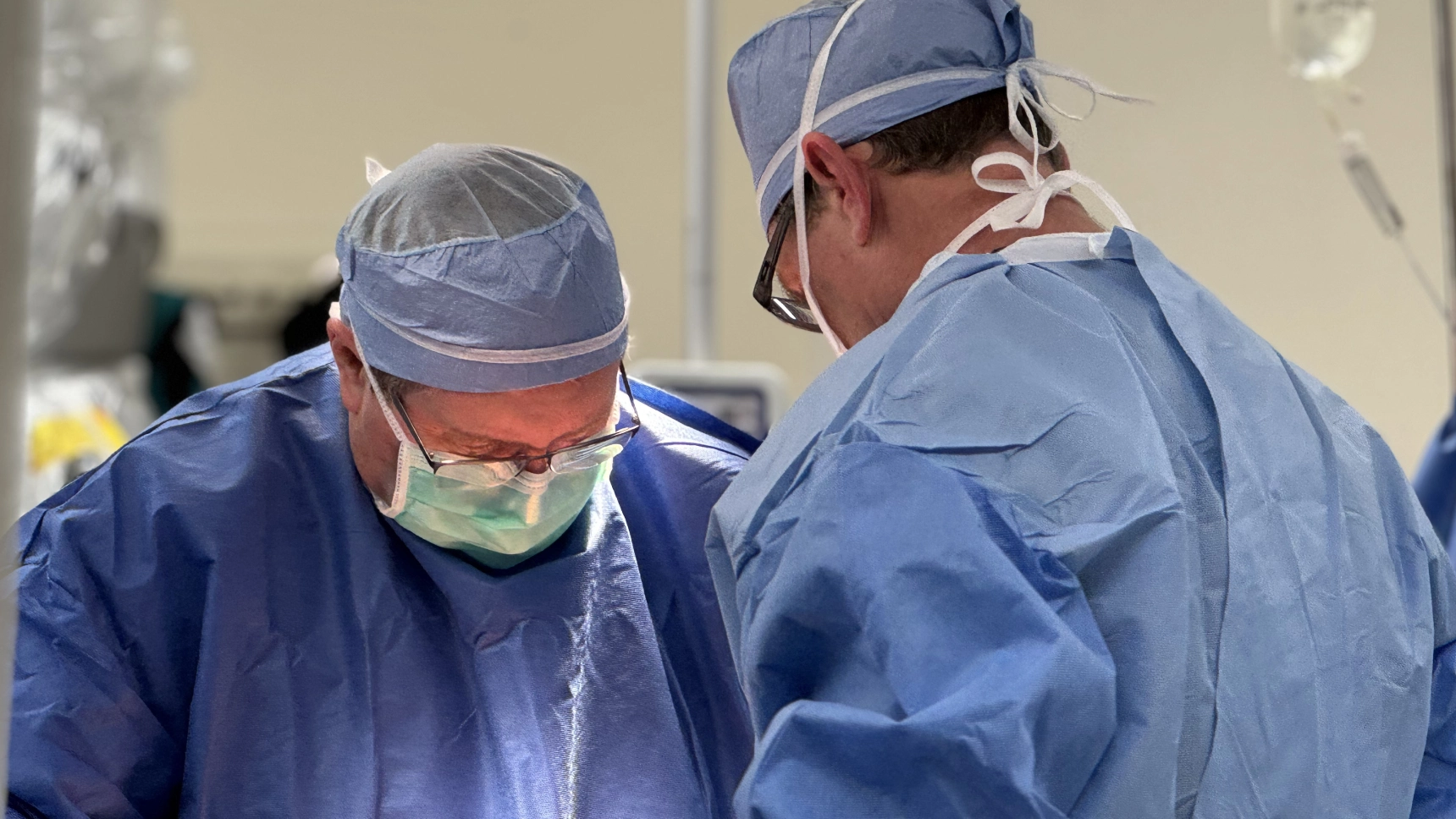
Spine Pain Can Be Complex
And there is no one-size-fits-all solution.
At Spine Motion Specialists, we focus on identifying the root cause of your pain and selecting treatments that relieve symptoms while protecting your ability to move.
Founded by Dr. Scott Hodges, our practice is dedicated exclusively to fusion-free, motion-preserving spine care. Every treatment plan is personalized around your anatomy, lifestyle, and goals starting with conservative options and progressing thoughtfully when needed.
Advanced Treatments We Offer
Artificial Disc Replacement (ADR)
Artificial disc replacement is a motion-preserving alternative to fusion that replaces a damaged spinal disc with an artificial implant designed to mimic natural movement. It restores disc height, relieves nerve pressure, and helps maintain flexibility in both the neck and lower back.
Common conditions treated:
- Degenerative disc disease
- Disc herniation
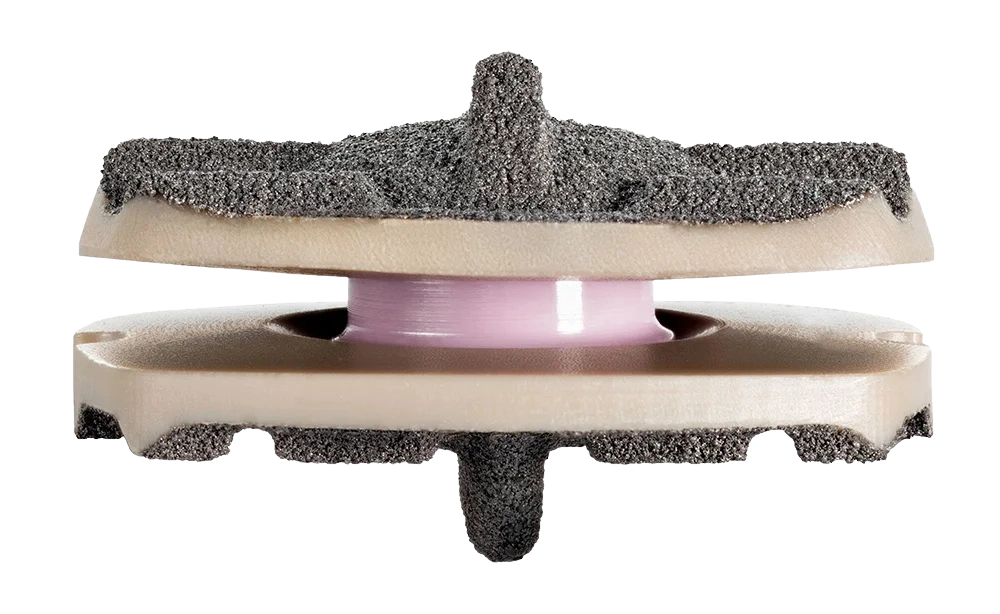
Cervical Disc Replacement
Cervical disc replacement (also called cervical disc arthroplasty) replaces a damaged disc in the neck with an artificial one. Unlike fusion, this procedure maintains normal neck motion while relieving pressure on nerves and the spinal cord.
Common conditions treated
- Neck pain
- Arm pain
- Cervical disc herniation
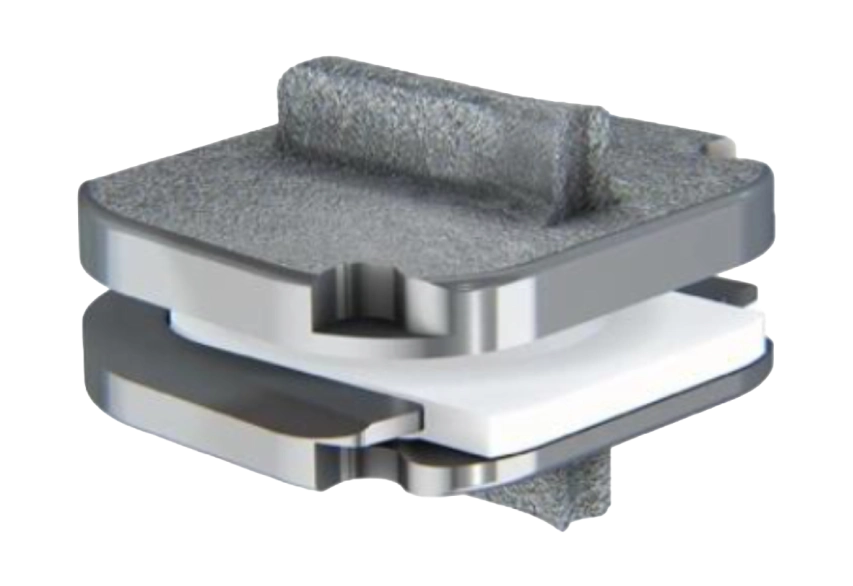
Lumbar Disc Replacement
Lumbar disc replacement treats chronic low back pain caused by disc degeneration by replacing the damaged disc with an artificial implant. This restores disc height, relieves nerve compression, and preserves natural movement in the lower spine.
Common conditions treated
- Degenerative disc disease
- Chronic low back pain
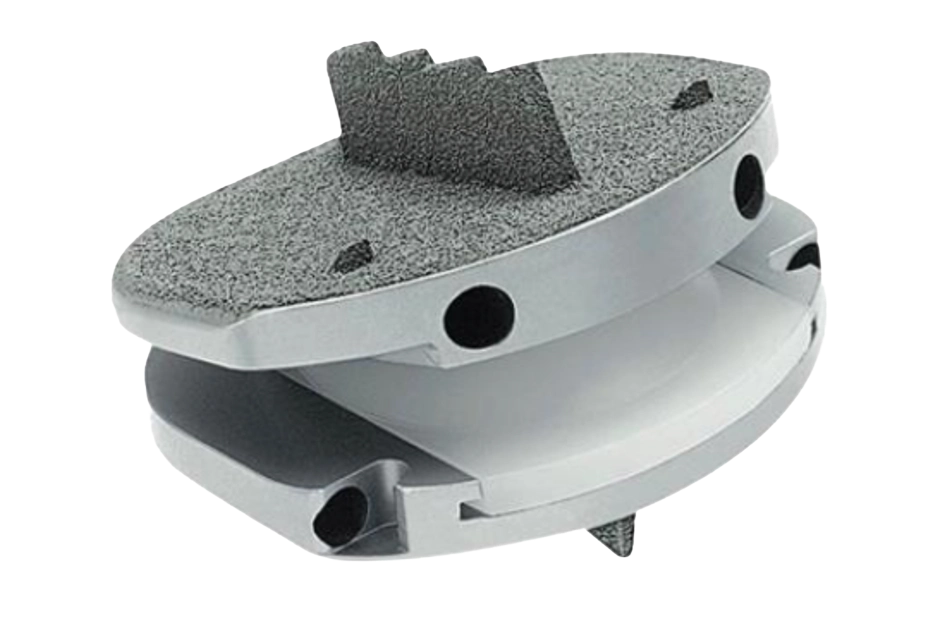
Facet Joint Replacement (TOPS)
The TOPS System replaces diseased facet joints in the lumbar spine while maintaining controlled motion. It stabilizes the spine without fusion and is used to treat conditions like spinal stenosis and spondylolisthesis.
Common conditions treated
- Spinal stenosis
- Spondylolisthesis
- Facet arthritis
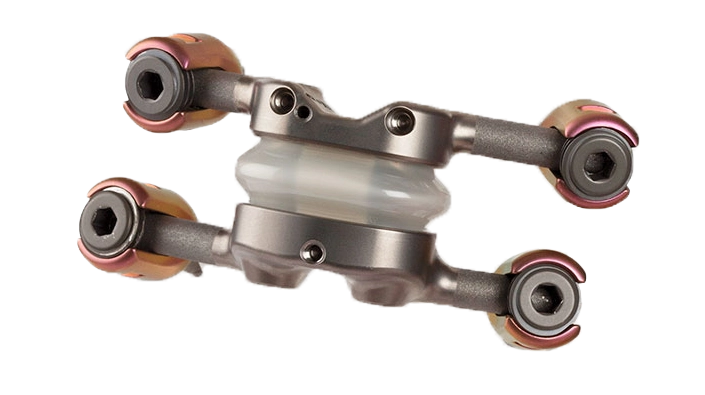
Lumbar Total Joint Replacement (MOTUS)
MOTUS is a first-of-its-kind total joint replacement for the lumbar spine that replaces both the disc and facet joints in a single procedure. This investigational technology aims to restore full joint motion and stability in patients who would traditionally need fusion.
Current status:
- Available only through FDA clinical trials (enrollment complete)
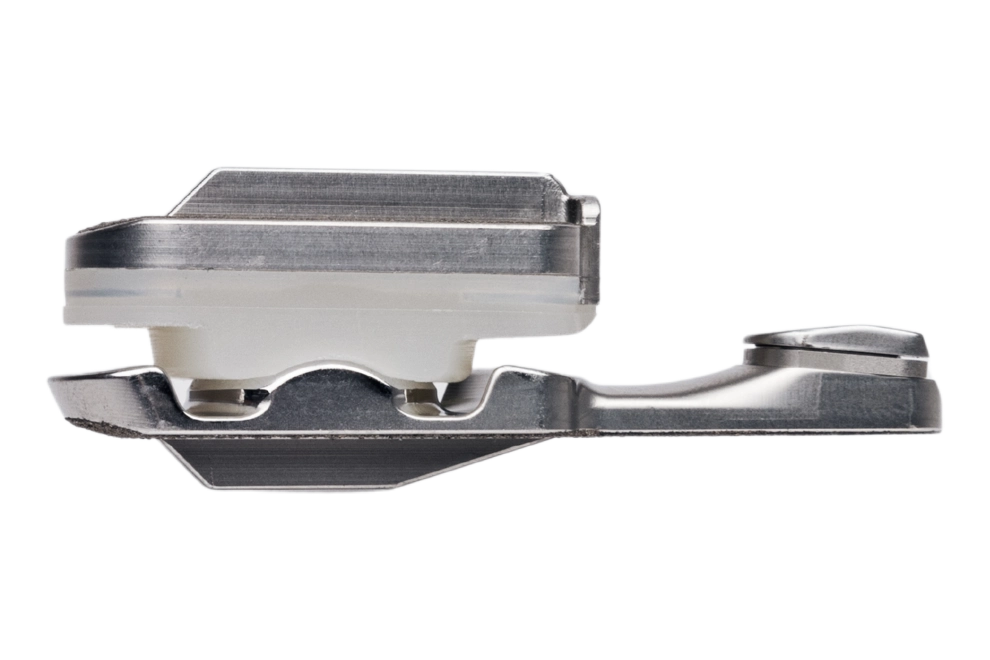
Microdiscectomy
A microdiscectomy is a minimally invasive procedure that removes only the portion of a disc compressing a nerve. It is commonly used to treat sciatica caused by disc herniation while preserving spinal stability.
Common conditions treated
- Herniated disc
- Sciatica
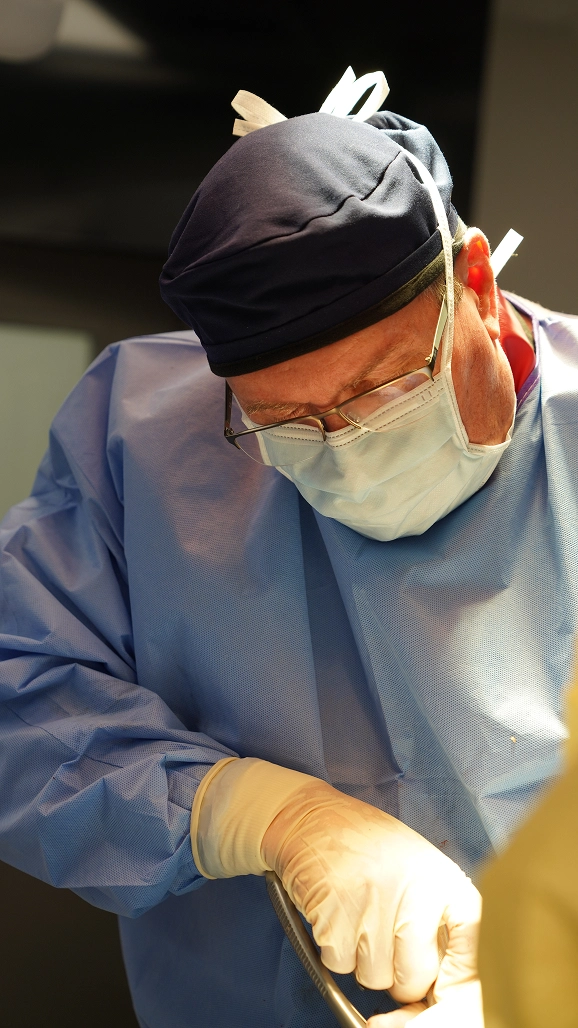
Spinal Decompression
Spinal decompression removes structures that compress nerves, such as bone spurs or thickened ligaments. Procedures may include laminectomy, foraminotomy, or medial facetectomy—all designed to relieve pressure while preserving motion.
Common conditions treated:
- Spinal stenosis
- Herniated disc
- Nerve compression
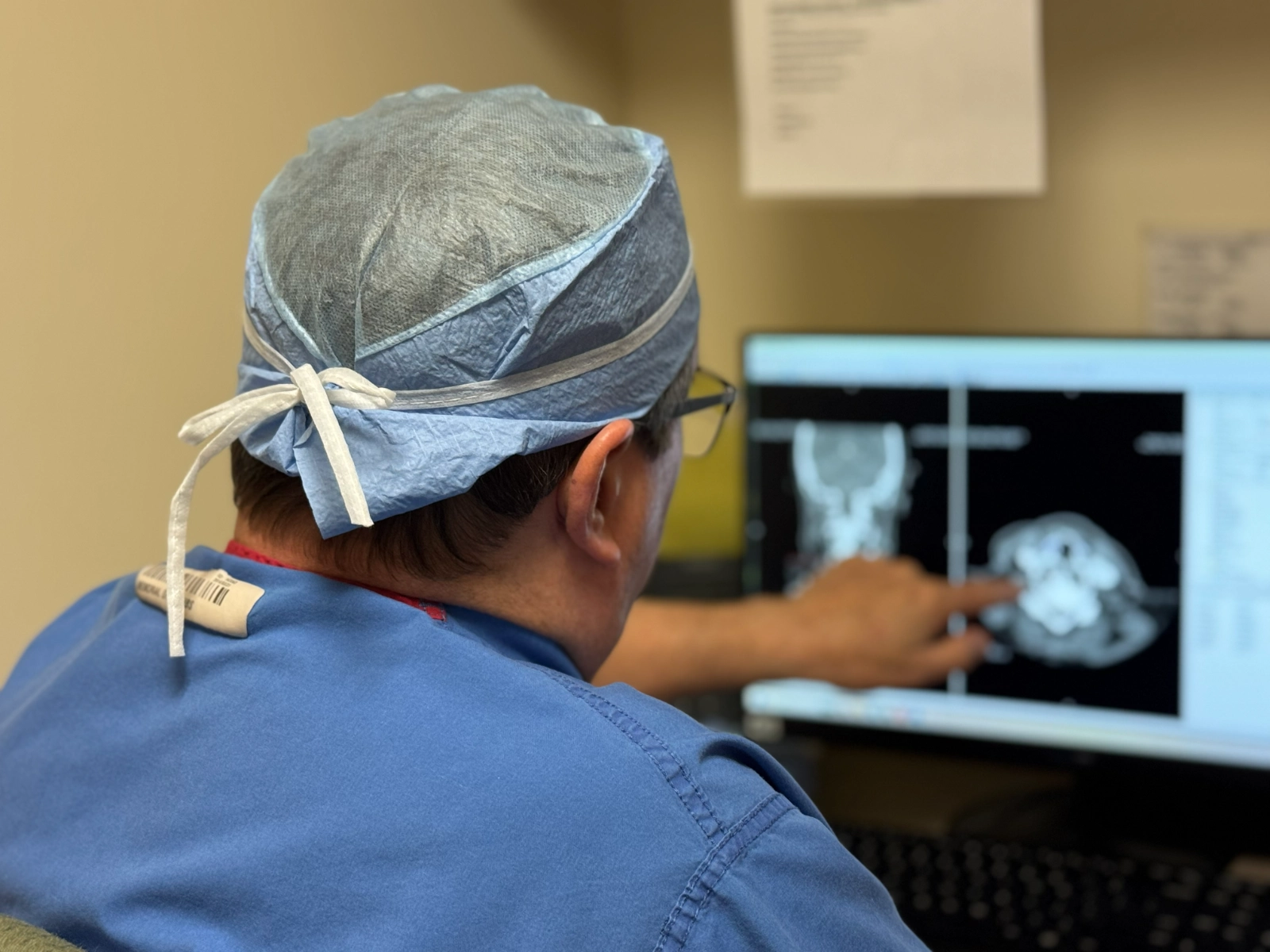
Cervical Fusion Reversal to Disc Replacement
This advanced procedure removes a previous cervical fusion and replaces it with an artificial disc to restore motion and reduce stress on adjacent levels.
Common conditions treated:
- Adjacent segment disease
- Post-fusion stiffness
Minimally Invasive Spine Surgery (MISS)
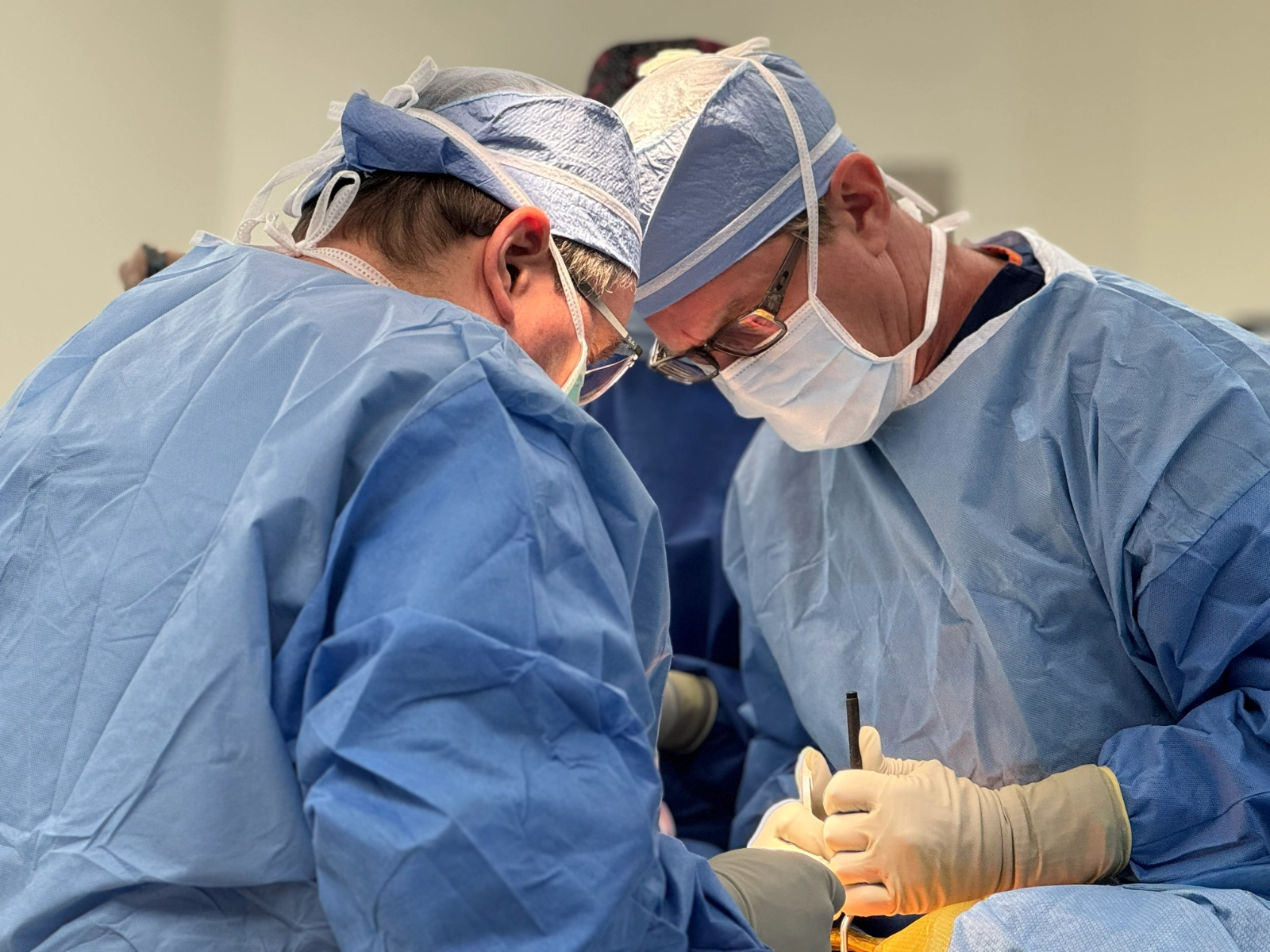
MISS uses small incisions and specialized tools to treat spine conditions with less tissue disruption and faster recovery. Many of the procedures we offer are performed using minimally invasive techniques.
Common benefits:
- Less pain
- Smaller scars
- Quicker recovery
Motion Preserving Spine Surgery
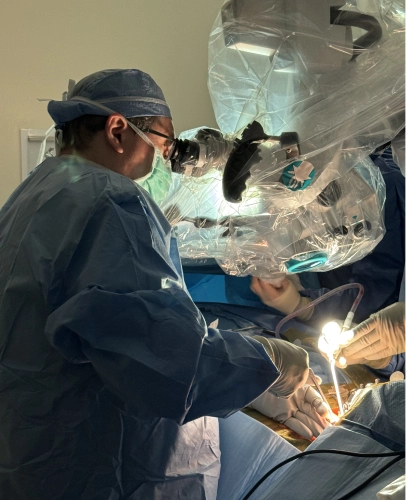
Motion-preserving surgery focuses on restoring normal spinal mechanics rather than restricting movement. This includes disc replacement, facet replacement, and total joint reconstruction.
Goal:
- Relieve pain while maintaining flexibility and long-term spine health
Non-Fusion Spine Surgery
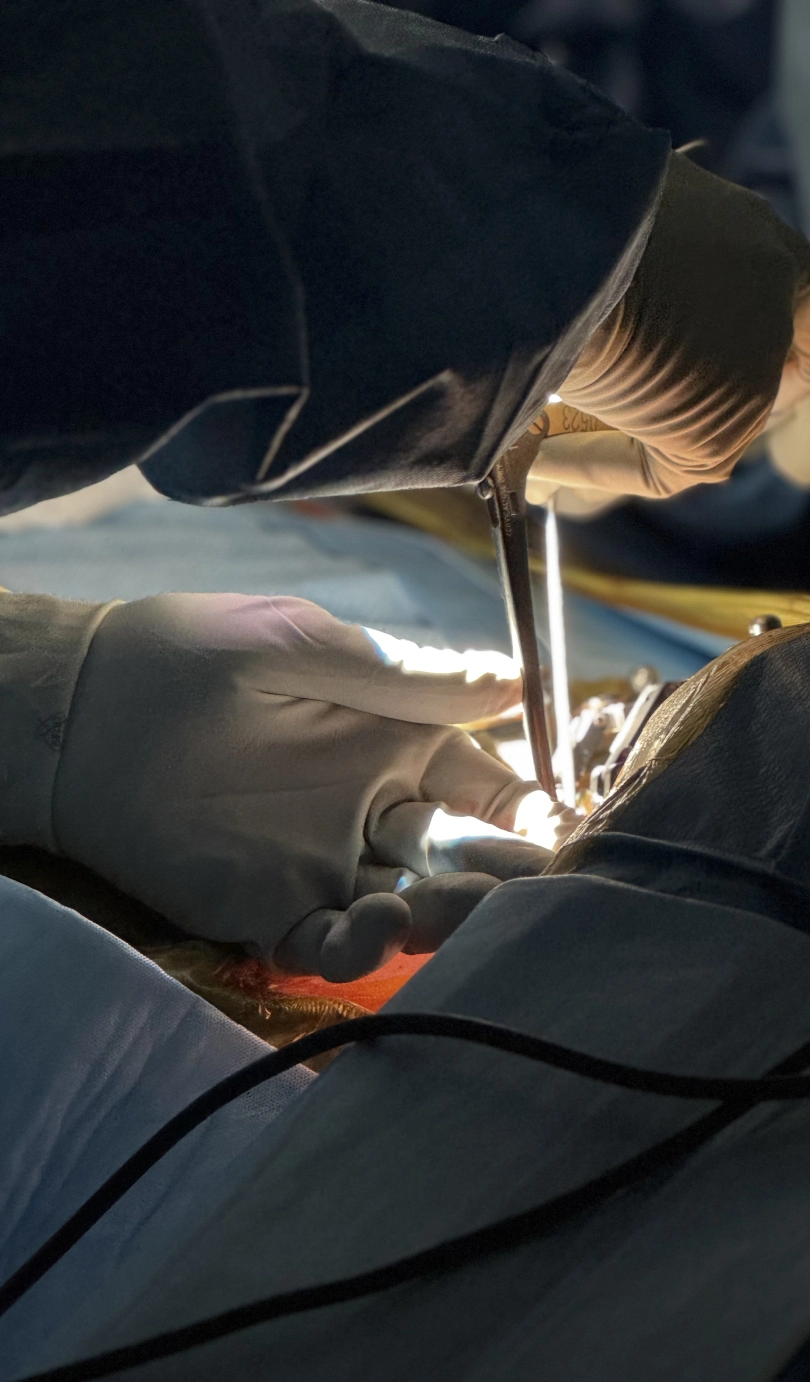
Non-fusion procedures stabilize and treat the spine without permanently locking vertebrae together. These advanced approaches protect mobility and reduce the risk of adjacent segment degeneration.
Goal:
- Pain relief without sacrificing motion
Not Sure Which Treatment Is Right for You?
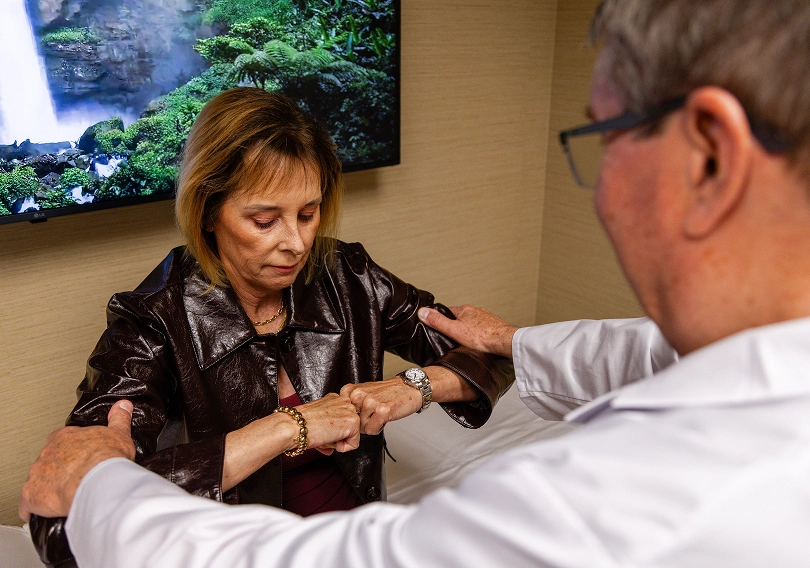
A consultation can help you understand your condition and explore motion-preserving options tailored to your goals.
Common Questions About Spine Treatments
How do I know which treatment is right for me?
There is no one-size-fits-all approach to spine care. That’s why every patient starts with a comprehensive consultation with Dr. Hodges. He takes time to understand your symptoms, goals, lifestyle, and imaging before recommending a treatment plan. The focus is always on finding the least invasive, most motion-preserving solution that fits your unique needs.
Do you offer non-surgical treatment options?
Yes. Many patients improve without surgery. We often begin with conservative care such as physical therapy, activity modification, medications, and targeted injections. Surgery is only considered when symptoms persist or nerve function is at risk.
What does motion-preserving surgery mean?
Motion-preserving surgery treats the source of pain without permanently locking your spine in place. This includes procedures like disc replacement and facet joint replacement that maintain natural movement while relieving nerve compression and restoring stability.
Why don’t you offer spinal fusion?
Our philosophy is simple: the spine is meant to move. While fusion may be necessary in some cases, our practice is dedicated exclusively to fusion-free solutions that protect long-term mobility and function whenever possible.
Is minimally invasive surgery safer?
Minimally invasive techniques use smaller incisions and cause less tissue disruption, which often leads to less pain, quicker recovery, and smaller scars. Many of the procedures we perform use these advanced techniques when appropriate.
What is recovery like after motion-preserving surgery?
Recovery varies based on the procedure and the individual. In general, motion-preserving approaches allow patients to return to normal activities faster than traditional fusion surgery. Dr. Hodges will guide you through every phase of recovery.
Do you accept travel patients?
Yes. We treat patients from across the U.S. and internationally. Many start with a virtual consultation to review imaging and discuss options before traveling.
Is your practice insurance-based?
Spine Motion Specialists is a concierge, cash-pay practice and does not participate in insurance networks. This model allows Dr. Hodges to spend dedicated, unhurried time with each patient and provide truly personalized care.
While we do not bill insurance directly, we can provide detailed documentation and receipts upon request so you may submit them to your insurance carrier for potential out-of-network reimbursement, depending on your individual plan and benefits.
What if I’ve already had spine surgery?
We regularly evaluate patients who have had prior procedures. In some cases, motion-preserving revision options may be available, including fusion reversal. A consultation can help determine your options.
How do I get started?
Getting started is simple. Schedule a consultation (virtual or in-person) and we’ll guide you through next steps.