In The Media
News & Insights
Advancing Motion-preserving Spine Care Through Research, Education, And Leadership
Dr. Scott Hodges is recognized nationally and internationally for his contributions to motion-preserving spine surgery, biomechanics research, and patient-centered innovation. Through peer-reviewed publications, media features, and educational outreach, he is committed to advancing spine care and helping patients make informed decisions about their health.
This page highlights selected research, media appearances, and educational content that reflect his ongoing work in the field.

Research & Medical Publications
Dr. Hodges has authored and contributed to nearly 100 peer-reviewed publications focused on spinal biomechanics, surgical technique, and patient outcomes.

Total Joint Replacement of the Lumbar Spine: 12-Month Pain and Functional Outcomes From an Investigational Device Exemption Clinical Trial
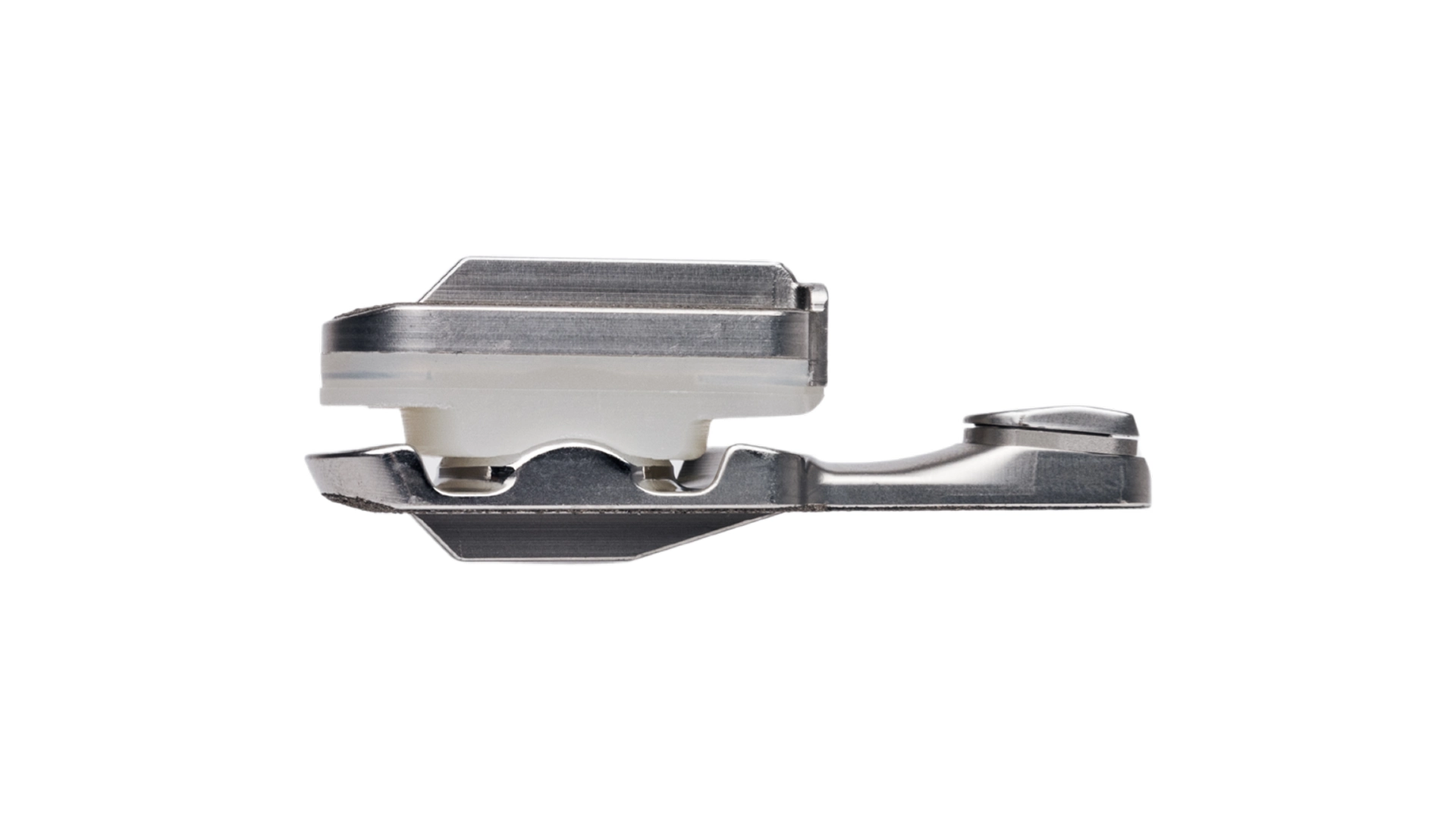
This major clinical trial in the International Journal of Spine Surgery shows that patients who received MOTUS Total Joint Replacement experienced significantly greater improvements in back function and pain relief compared to traditional fusion at 12 months.
Return to Work Following Novel Lumbar Total Joint Replacement
This study in Clinical Spine Surgery reveals that 100% of patients who underwent MOTUS Total Joint Replacement in a pilot study were able to return to work within 6 months, with nearly all returning within just 3 months after surgery.

Shear resistance of a posterior lumbar total joint replacement prosthesis
This biomechanical study in Spine Journal demonstrates that MOTUS Total Joint Replacement effectively restores spinal stability after decompression surgery, offering patients the benefits of motion preservation without compromising structural support.
Media Features, Interviews & Public Appearances
Dr. Hodges and Spine Motion Specialists have been featured across medical, healthcare, and media platforms for their leadership in motion-preserving spine care, research, and innovation.

3Spine Announces Completion of FDA Clinical Trial Enrollment Achieving 325 Surgeries in 2023
3Spine announces the completion of enrollment for the MOTUS clinical trial, marking a major milestone in bringing this groundbreaking motion-preserving alternative to spinal fusion closer to FDA approval and widespread availability for patients.

Scott Hodges, DO WebMD – Patient Reviews
Visit Dr. Hodges’ WebMD profile to read patient testimonials, learn more about his expertise in motion-preserving spine surgery, and explore detailed information about Spine Motion Specialists. If you’ve been a patient of Dr. Hodges, we invite you to share your experience by leaving a review.

Dr. Scott Hodges Interview on The Spine Pod
Dr. Hodges appeared on The Spine Pod, a leading podcast focused on innovations in spine care and motion preservation, to discuss motion-preserving surgery, spinal biomechanics, and why preserving movement is essential for long-term spine health.
Spine Motion Specialists Blog
Our blog is dedicated to helping patients better understand spine health, treatment options, and recovery.
Signs That Your Cervical Fusion Is Failing: What You Need to Know
Understanding the warning signs of a failed cervical fusion and exploring motion-preserving alternatives when returning pain, numbness, or weakness indicates your previous surgery may not be working as intended.

Herniated Disc vs Muscle Strain: How to Tell the Difference
Learn how to distinguish between a herniated disc and muscle strain, understand your symptoms, and know when to seek specialized care for lasting relief.

How to Sleep With a Pinched Nerve: Expert Tips for Relief
Dr. Hodges shares practical guidance on managing nerve pain and improving sleep quality, including evidence-based positioning strategies, when to seek medical care, and how motion-preserving treatments can provide lasting relief.
Continuing the conversation
Dr. Hodges believes education is a vital part of patient care. Whether through research, media, or direct patient engagement, his mission remains the same:
To advance motion-preserving spine care and empower patients with knowledge.